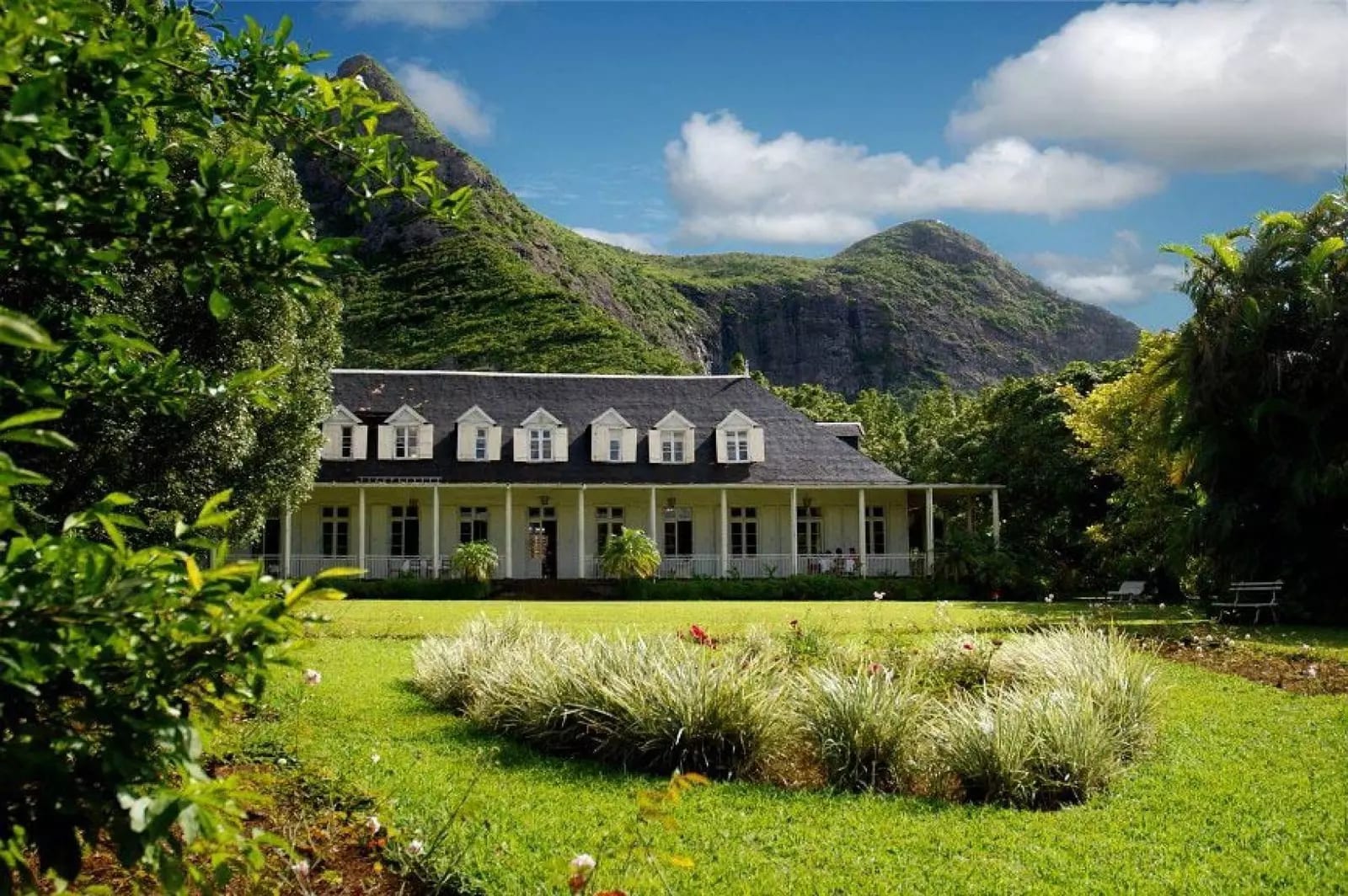

Eureka House in Moka is one of the places where Mauritius feels less like a beach postcard and more like a layered island with history, architecture and a lush inland landscape. The estate sits in a green part of the central plateau, away from the resort coast, and works well as a calm half-day stop. Visitors come for the colonial wooden house, period interiors, shaded gardens and walking paths that lead down toward small waterfalls.
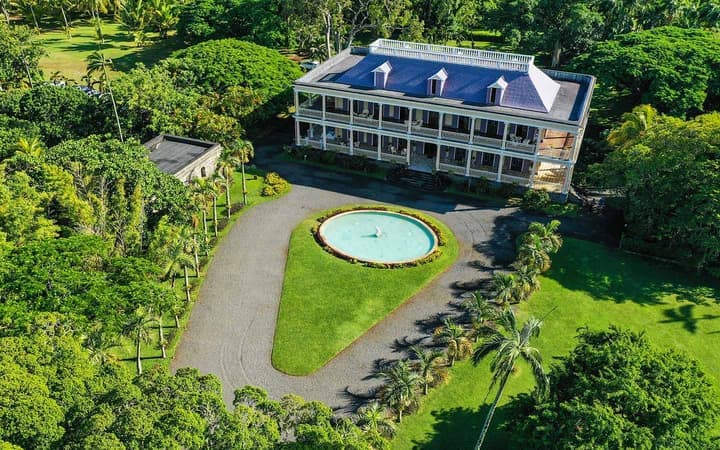
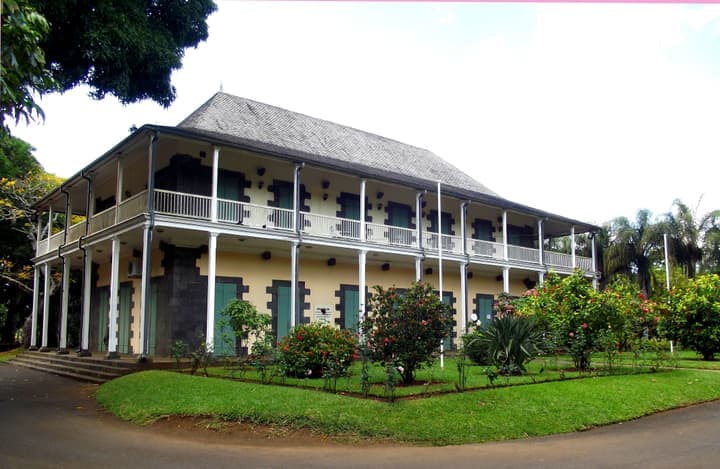
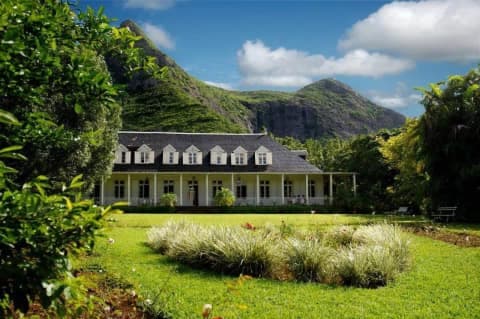
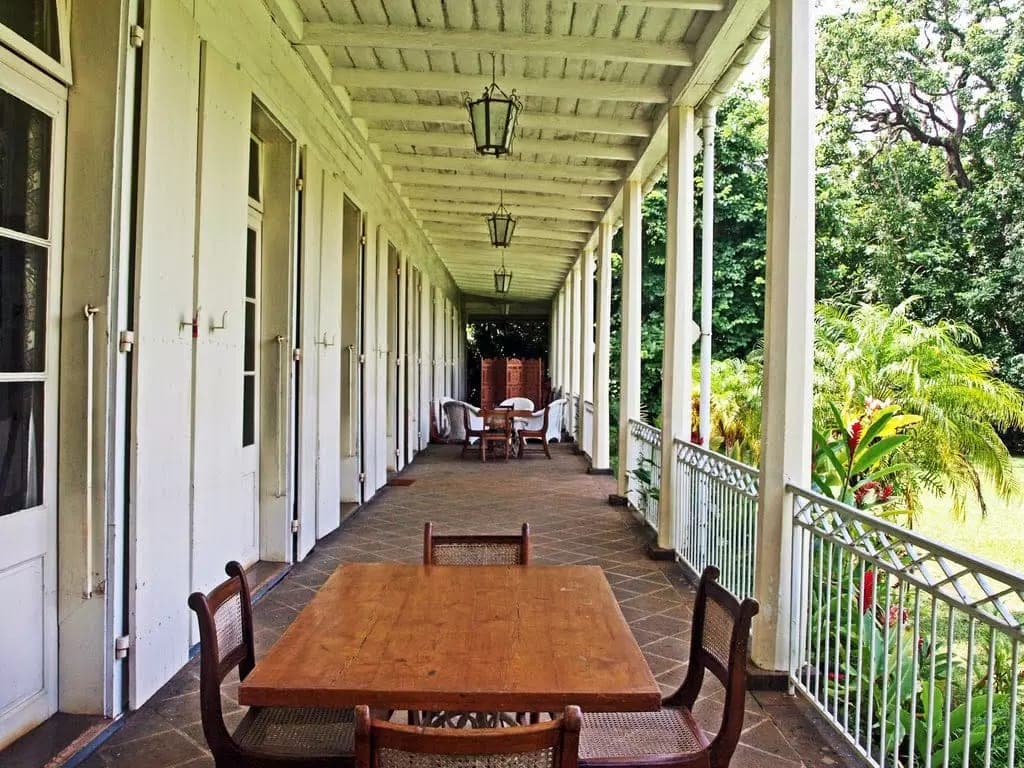
The house is often referred to as Eureka House or Maison Eureka. It is known as a well-preserved example of a Mauritian colonial residence from the 19th century, with spacious rooms, high ceilings, broad verandas and a layout shaped by the tropical climate. On a warm day, the design makes immediate sense: open sides, covered galleries and natural ventilation matter as much as decoration. Rather than feeling like a formal museum only, the house gives a sense of how domestic life once worked for a wealthy family on the island.
What to see inside
The main part of the visit is a walk through rooms furnished with antiques, tableware, musical instruments, paintings and household objects. The interiors help show Mauritius as more than a beach destination. They reflect an island shaped by European, Creole, Indian, African and local influences, with details that reveal how people lived, hosted guests and adapted to the heat. Look closely at the furniture, mirrors, cabinets, dining objects and the way each room connects to the surrounding verandas.
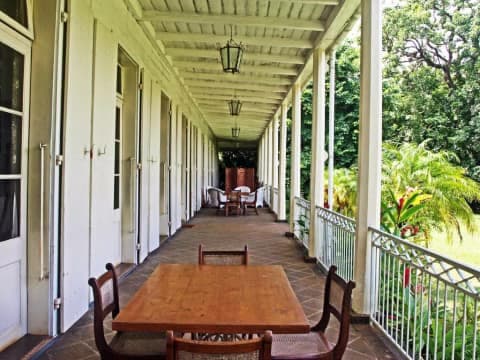
It is worth slowing down here. In houses like Eureka, the most interesting part is not always a single exhibit, but the relationship between the rooms, the garden and the climate. Notice where the house opens outward, where people would have gathered in the shade, and how the verandas act almost like extra living rooms. If you enjoy architecture, photography or historic interiors, Eureka House can be more rewarding than a quick listing in a guidebook suggests.
Gardens and waterfalls
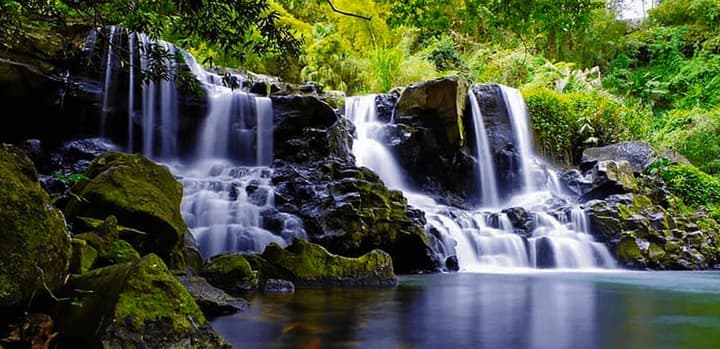
After the house, spend time in the garden. The grounds are shaded and tropical, with a cooler, more humid feeling than the coast. Paths lead downhill toward Eureka Falls. These are not huge national-park cascades, but small, atmospheric falls that make sense as part of the estate visit. The charm is in the combination: a historic house, greenery, water, and the sense that the built and natural landscapes belong together.
The paths can include steps, roots, damp ground and slippery stones, especially after rain. Wear comfortable shoes, carry water and do not rush the descent. If you are travelling with children or older relatives, check whether everyone is comfortable with the walk down and back up. Even if you do not follow every path, the garden still adds a lot to the visit.
Planning your visit
Eureka House fits naturally into a day exploring central Mauritius, including Moka, Port Louis, botanical gardens or nearby viewpoints. You can keep the visit fairly short if you only want to see the house, or make it longer by adding the garden, waterfalls and a relaxed meal. Before going, check current opening times, entrance conditions and access to specific areas, as local arrangements can change with seasons, private events or weather.
Morning or the first half of the day is usually the most comfortable time, with softer light and less heat. Rain does not ruin the house visit, but it can make the paths toward the water less convenient. After showers, the greenery can look especially vivid, so the best choice depends on whether you value easy walking or lush scenery more.
Getting there
The easiest way to reach Eureka House is by rental car or taxi. Moka is in the central part of Mauritius, so it is easier to combine with inland sights than with far-flung coastal routes. If you drive yourself, allow time for local traffic, especially around Port Louis and during weekday commuting hours. Combining Eureka with another nearby stop usually makes the day feel more balanced.
Who will enjoy Eureka House
Eureka House is a good choice for travellers who want a cultural break from the beach without committing to a demanding full-day excursion. It suits visitors interested in island history, old houses, gardens, photography and gentle walks. If you expect a large museum with many galleries, it may feel modest. But if you approach it as an atmospheric estate where architecture, memory and nature meet, it is one of the most pleasant inland stops in Mauritius.
Details worth noticing
As you move through the house, look beyond the furniture and notice the smaller signs of daily life. Compare formal rooms with more practical spaces, and pay attention to tableware, writing objects, musical instruments and decorative pieces. These details show how European habits were adapted to a tropical island, where status, comfort, heat, humidity and garden life all shaped the way a home worked.
The relationship between the house and the landscape is also important. Eureka does not feel separate from nature: verandas, passages, garden views and the sound of water create one continuous experience. Try not to divide the visit into museum first and nature second. See the rooms, step onto the veranda, then continue into the garden. The estate makes more sense when experienced as a whole.
Season and weather
The central part of Mauritius can feel different from the coast. Moka may be fresher, but humidity and brief showers are still possible. In hot weather, water and a slow pace matter; after rain, paths require more care. If you want photos, allow time for changing light, as the garden has deep shade and the house interior can be softly lit.