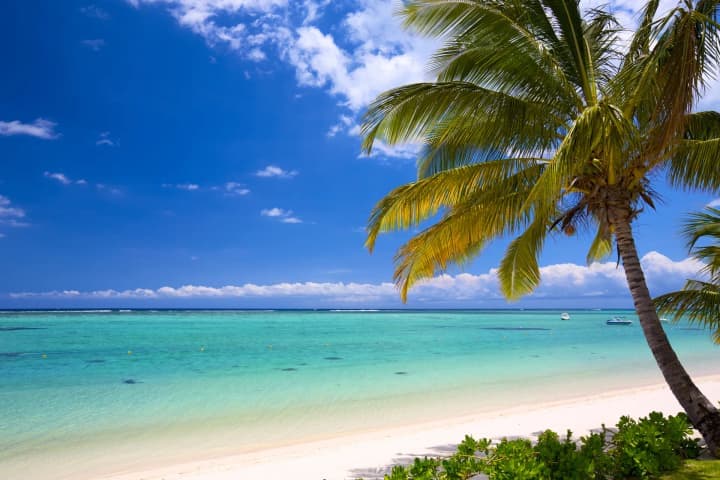
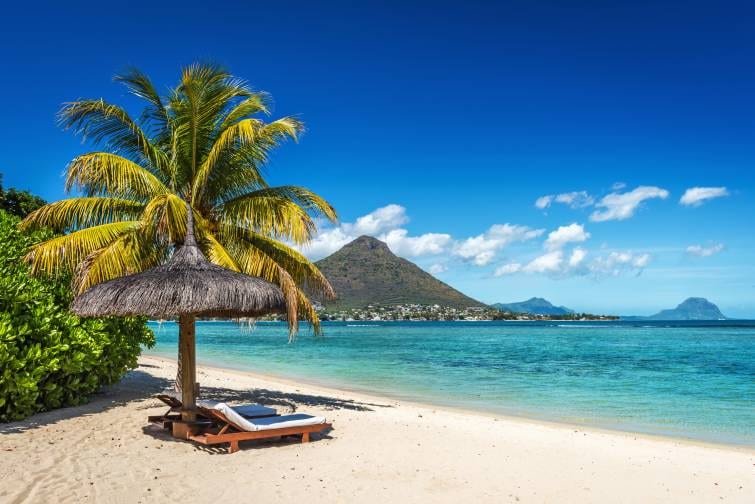

Choosing the best beaches in Mauritius is less about finding one universal winner and more about matching each coast to the kind of day you want. The north has calm bays, easy food stops and family-friendly swimming. The west is known for long sunsets, broad beaches and views toward the mountains. The east feels more open and resort-like, with bright lagoons and island day trips. The south and southwest bring cliffs, waves, dramatic scenery and a wilder sense of the island.
This guide brings together beaches that show Mauritius from several angles. Some are ideal for a first holiday and easy swimming, while others are better for snorkeling, kitesurfing, walking, photography or a quiet stop with very little infrastructure. Conditions change with wind, tide, season and the exact part of the lagoon, so use this list as a practical decision tool rather than a rigid ranking.
How to Choose a Beach in Mauritius
If you want calm water, restaurants nearby and simple logistics, start with the north and west. Trou aux Biches, Pereybere and Flic en Flac are easy first choices because they combine attractive water with facilities and straightforward access. If you want the classic landscape of a turquoise lagoon beneath a mountain, plan time at Le Morne. For snorkeling and a marine-park setting, Blue Bay is one of the strongest choices, provided you treat the coral environment with care.
For solitude and natural scenery, look beyond the busiest resort strips: Anse La Raie in the north, La Prairie in the southwest, quieter sections of Belle Mare and the rocky southern coast all feel more open. For water sports, the conditions of the day matter more than the name of the beach. Wind can make one lagoon excellent for kitesurfing and less comfortable for casual swimming. Waves in the south can be beautiful but unsafe. Before driving far, check the forecast and, once there, pay attention to flags, currents and local advice.
Quick Beach Comparison
- Best for families: Trou aux Biches, Pereybere, parts of Flic en Flac and calm northern bays.
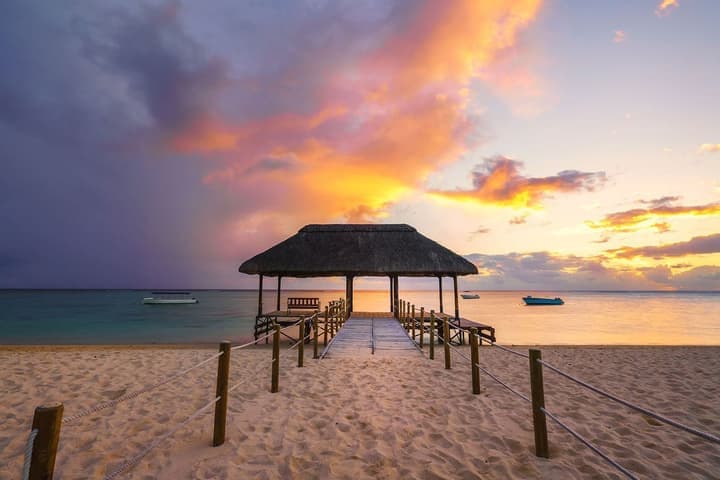
- Best for sunsets: Flic en Flac, Tamarin, Le Morne and west-coast lagoon viewpoints.
- Best for snorkeling: Blue Bay, Trou aux Biches and reef areas where swimming is permitted and safe.
- Best for kitesurfing: Le Morne and windy northern lagoons such as Anse La Raie when conditions are suitable.
- Best for long walks: Belle Mare, Flic en Flac, Mont Choisy and open east-coast beaches.
- Best for scenery: Le Morne, Gris Gris, Blue Bay, Ile aux Cerfs and the wilder southern shoreline.
Trou aux Biches
Trou aux Biches is one of the easiest beaches for a first encounter with Mauritius. Set on the northwest coast, it runs along a calm lagoon and combines clear water, soft sand, tree shade and useful facilities. You can spend half a day here without much planning: swim, walk along the beach, find a patch of shade, eat nearby and return to the water. It is especially good for families and travelers who want a beautiful beach without complicated logistics.
Snorkeling depends on visibility and the exact area you choose, but the lagoon often works well for relaxed swimming. Weekends and holidays can be busier, so arrive in the morning if you want more choice. The strength of Trou aux Biches is balance: it is pretty enough to feel special, but practical enough to make the day easy.
Flic en Flac
Flic en Flac is a long west-coast beach and one of the most popular options for travelers who want sea, sunsets and infrastructure in one place. The shoreline is long enough for walks, runs, picnics and choosing between livelier and quieter sections. Accommodation, cafes, shops and excursions are nearby, which makes the area convenient if you do not want to cross the island every day.
The west-facing position makes Flic en Flac a strong evening choice. The sun drops over the ocean, and on clear days the silhouette of Le Morne adds depth to the view. For swimming, choose a comfortable sandy entry and watch for coral and sea urchins in reefy areas. This is a beach for people who enjoy a lively holiday atmosphere rather than complete isolation.
Le Morne
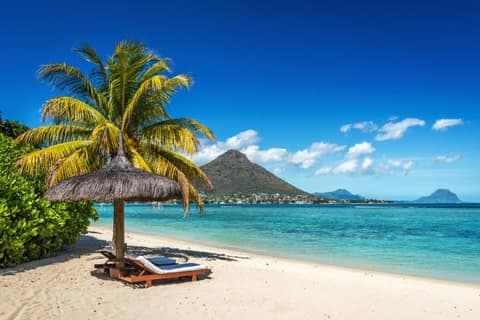
Le Morne is the beach many travelers picture when they imagine the most dramatic side of Mauritius. Le Morne Brabant rises above the lagoon, turning even a simple beach walk into a landscape experience. The water can be brilliantly colored, and the long shoreline gives you space for swimming, photography or watching kitesurfers move across the lagoon.
The beach suits different travelers, but choosing the right section matters. Some areas feel calmer for swimming, while others are focused on water sports. On windy days, kitesurfing becomes part of the scene, and it is beautiful even from shore. If you plan to hike the mountain and relax on the beach on the same day, start early and keep the schedule realistic.
Belle Mare
Belle Mare on the east coast is a long, pale stretch of sand with a spacious lagoon and a classic tropical feel. It is good for morning walks, relaxed swimming in suitable conditions and finding shade beneath the trees. The east can feel breezier than the west, but that breeze also gives the beach freshness and a sense of openness.
Belle Mare is a strong choice if you want beauty without the feeling of a small enclosed bay. Resort areas sit near more open public sections, so the mood depends on where you stop. Families should choose calm weather and check the seabed near the shore. For a quiet morning or romantic walk, Belle Mare is one of the island's most pleasant options.
Pereybere
Pereybere is a compact northern bay often chosen by families. It is smaller than Flic en Flac or Belle Mare, but the water usually looks calm, and nearby facilities make the day simple. You can come for a few hours, swim, grab food close by and continue exploring the north.
Because it is compact, Pereybere fills quickly, especially in good weather. A morning visit gives you more comfort and space. It is not the most secluded beach, but it is one of the easiest: when you want pretty water without a long plan, Pereybere often works well.
Blue Bay
Blue Bay in the southeast is known for bright water and its marine-park setting. It is one of the best areas for travelers who want to see underwater life, but that also makes careful behavior essential. Do not stand on coral, do not touch marine animals and choose responsible operators if you take a boat trip or snorkeling tour.
The beach itself is beautiful and useful for a shorter stop, especially if you are staying in the southeast or planning a route near the airport area. Weekends can be lively. For the best impression, come in the morning when the water is often calmer and the light is softer.
Ile aux Cerfs
Ile aux Cerfs is an island off the east coast reached by boat. Travelers choose it for the bright lagoon, pale sand, water activities and the feeling of a separate day trip. It is not a secret hideaway but a popular Mauritius classic, so the mood depends on when you arrive and which section you choose.
For a calmer day, avoid rushing the plan: confirm the boat format, bring sun protection and do not expect the whole island to be empty. Ile aux Cerfs suits travelers who want to add a small adventure to a beach day and see the east-coast lagoon from the water.
Tamarin
Tamarin feels different from many postcard beaches in Mauritius. It has more of a surf atmosphere, darker sand, a strong mountain backdrop and a more ocean-facing character. The beach is interesting for walks, watching waves and sunsets, not only for easy swimming.
If surfing is your goal, match the day to your level and follow advice from local schools. If your goal is a beautiful evening, combine Tamarin with Flic en Flac, Black River or a southwest sightseeing route. This is a beach with character, best for travelers who prefer a living coastal scene over perfect smoothness.
Gris Gris
Gris Gris in the south is less a swimming beach and more a powerful viewpoint by the sea. Here the ocean meets cliffs, waves break close to shore, and the southern part of Mauritius feels rougher and more dramatic. That is exactly why it belongs in a beach guide: it shows another side of the island beyond lagoons and resort sand.
Treat the water with caution, as southern waves and currents can be dangerous. Think of Gris Gris as a place for walking, photography and watching the ocean. Combine it with natural stops in the south for a varied day.
Anse La Raie
Anse La Raie is a quiet northern beach for travelers who like simple natural stops. It has wind, casuarina trees, a shallow lagoon and a spacious feel. Facilities are minimal, so it works better for a short walk, a picnic or kitesurfing in suitable conditions than for a full family beach day with every comfort.
Add it to a northern route with Cap Malheureux, Pereybere and Grand Baie. Come in the morning or late afternoon, bring water and do not expect a resort scene. That is part of its value: Anse La Raie shows the calmer, breezier and more natural side of northern Mauritius.
How to Build a Beach Itinerary
On a first trip, avoid trying to see every beach in two days. Divide the island by coast instead. Spend one day in the north with Pereybere, Trou aux Biches, Mont Choisy and Anse La Raie. Give another day to the west with Flic en Flac, Tamarin and Le Morne. The east can be paired with Ile aux Cerfs and Belle Mare, while the south works well with Gris Gris, La Prairie and inland nature stops. You will spend less time in the car and understand the differences between regions more clearly.
If you travel with children, allow more time at fewer beaches and choose places with shade, gentle entry and food nearby. If you are traveling for photography, plan around the light: east-coast beaches are often best in the morning, west-coast beaches shine at sunset, and Le Morne is striking whenever the mountain is not hidden by cloud. For snorkeling and water sports, check the forecast and be ready to change plans if the conditions are not right.
FAQ
Which Mauritius beach is best for a first visit?
Trou aux Biches, Flic en Flac and Pereybere are the easiest first choices. They have useful facilities, attractive water and simple logistics for most travelers.
Where are the best sunsets in Mauritius?
Look to the west coast: Flic en Flac, Tamarin and the Le Morne area are popular sunset choices. On clear evenings, the combination of ocean, mountains and warm light is hard to beat.
Which beach should I choose for snorkeling?
Blue Bay is one of the best-known options because of its marine-park setting. Trou aux Biches and other reef areas can also be good, but always check conditions and protect the coral.
Are there wild beaches in Mauritius?
Yes, but wild does not always mean safe for swimming. Anse La Raie, Gris Gris, La Prairie and parts of the south offer more nature and fewer facilities, so arrive prepared.
Do I need water shoes?
You can walk barefoot on many sandy beaches, but water shoes are useful around coral, uneven seabeds and shallow lagoons. They are especially helpful for children and long walks in the water.