Mauritius is easy to imagine as a pure beach destination, but the trip becomes much richer when you understand how the island works. Beyond the turquoise lagoons, there are windy coasts for kitesurfing, mountain trails, tea plantations, colonial towns, markets, waterfalls and small villages where daily life feels very different from a resort brochure.
The most common planning mistake is to treat Mauritius as one compact beach resort where everything is close. On the map the island looks manageable, but roads can be narrow, traffic is left-hand, and the weather and beaches vary noticeably from one coast to another. A good itinerary starts with a few practical questions: when are you travelling, do you need a car, what kind of beach matters most, how much exploring do you want to do, and how many days can you spend away from the sun lounger?
This guide brings the main decisions together: season, area, transport, entry documents, money, mobile internet, beaches, things to do and the small details that make a Mauritius holiday smoother.
Best time to visit Mauritius
Mauritius is in the Southern Hemisphere, so its seasons are the opposite of Europe and much of the Northern Hemisphere. The year is often described as a cooler, drier period from May to November and a warmer, more humid period from December to April. The island remains a year-round destination, but the best month depends on the kind of trip you want.
From May to November, conditions are usually more comfortable for driving around, walking in nature reserves and combining beach time with sightseeing. Evenings can feel fresh, especially in the central plateau and mountain areas, so a light layer is useful. The east and south-east can be windier in these months, which is not ideal for every beach day but works well for kitesurfing and other wind-based activities.
From December to April, the air and ocean feel warmer, the landscape is lush and tropical showers are more likely. Rain often comes in intense bursts rather than all-day drizzle, but it is wise to keep plans flexible. During periods of unstable weather, avoid leaving important boat trips or sea activities until the final day of your holiday.
How many days to plan
For a first trip, give yourself enough time for both rest and movement. In one week, you can stay in one area, enjoy the beach and take a couple of day trips. With ten to twelve days, the trip feels much easier: you can split your stay between two coasts, add the south-west, visit nature areas and still keep slow beach mornings in the plan.
If you are flying a long distance, keep the first day simple. After an overnight or multi-leg flight, it is better to check in, sort out cash and mobile internet, walk by the ocean and sleep early. Save the more active drives, hikes and boat trips for the second or third day, once you have adjusted to the climate, the sun and the local rhythm.
Where to stay in Mauritius
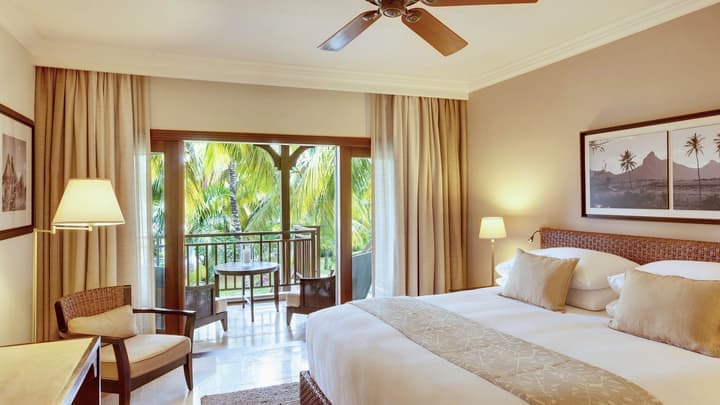
Your choice of area shapes the whole holiday. The north and north-west are convenient for travellers who want restaurants, supermarkets, a wide choice of accommodation and easy logistics. Areas around Grand Baie and Trou aux Biches are popular for first visits because they make daily life simple and provide a good base for exploring.
The west coast suits travellers who want sunsets, a relaxed atmosphere and access to the natural sights of the south-west. Flic en Flac, Tamarin and Le Morne work well for combining beaches, snorkelling, mountain views, waterfalls and scenic drives. Le Morne is especially beautiful, but it has less urban infrastructure, so a car or pre-arranged transfers make the stay much easier.
The east often feels quieter and more resort-focused. It has long beaches, beautiful lagoons and a slower pace, but independent travellers without a car may find it less practical. The south and south-east show a wilder side of Mauritius: cliffs, waves, villages, historical sites and open-ocean scenery rather than polished resort life.
For trips longer than a week, consider splitting your stay. A few nights in the north or north-west can give you convenience, while the west or south-west can add landscapes, sunsets and easier access to nature. This reduces long return drives and gives you a more rounded view of the island.
Getting to Mauritius
The main gateway is Sir Seewoosagur Ramgoolam International Airport, known by the code MRU. It is located in the south-east of the island, so transfer times vary widely depending on where you stay. Southern and south-eastern resorts are closer; the north and north-west take longer to reach.
Flight options change by season. Some routes may be direct or charter-based, while many travellers arrive through major connection hubs. When comparing tickets, look beyond the headline fare: check layover length, arrival time, baggage rules, change conditions and the convenience of the return journey. For families and short holidays, a smoother connection can be worth more than a small saving.
If you land late, arrange your transfer in advance. After a long flight, negotiating transport and navigating an unfamiliar island can be tiring. If you plan to rent a car, think carefully before making your first left-hand drive in the dark.
Entry documents and travel rules
Before departure, check the current entry rules for your nationality: visa conditions, passport validity, return or onward ticket requirements, accommodation confirmation and any online forms. Many leisure travellers can enter Mauritius without arranging a tourist visa in advance, but rules can change and airlines may check documents before boarding.
Keep offline copies of your accommodation booking, return ticket, insurance and the address of your first hotel or apartment. Even if nobody asks for every document, they are useful for arrival forms, airline check-in and transfer coordination.
Travel insurance is strongly recommended. Mauritius has private medical facilities, but treatment and transport can be expensive. If you plan to hike, dive, kitesurf, rent a scooter or join other active experiences, check whether your policy actually covers those activities.
Money, cards and travel costs
The official currency is the Mauritian rupee. In tourist settings you may see prices quoted in euros, especially for transfers, excursions and rentals, but rupees are more useful for everyday spending. Cards are accepted in many hotels, restaurants and shops, yet cash remains handy for markets, small cafes, beach vendors and rural areas.
You can exchange money at the airport, banks and exchange offices. It is usually sensible not to exchange your whole budget at once unless you are confident about the rate and your spending plans. A practical setup is one main card, one backup card and some cash. If your bank card has international restrictions, check whether it works in Mauritius before you fly.
Mauritius is not always a low-cost island. Your total budget depends on season, area, accommodation style, transport and how many tours you take. Self-catering apartments, renting a car for selected days, supermarket breakfasts and local eateries can all help control costs without making the trip feel bare-bones.
Getting around the island
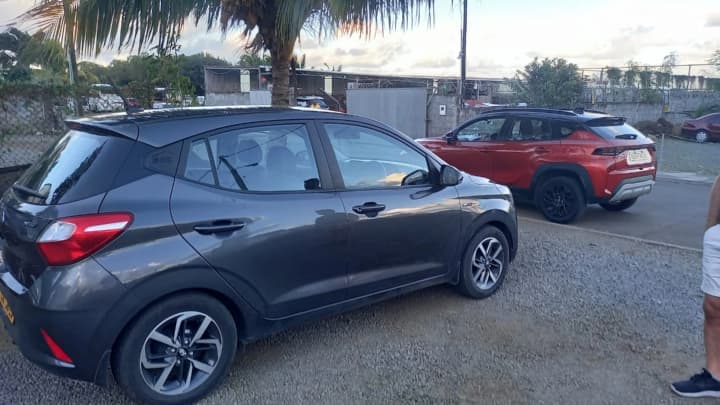
Renting a car is the most flexible way to explore Mauritius. It is especially useful if you want to compare beaches, visit nature parks, reach the south, stop at viewpoints and explore villages at your own pace. Remember that traffic is left-hand, roads can be narrow, roundabouts are common and progress through towns can be slow. Beach parking areas also fill up faster on weekends and public holidays.
Taxis and private transfers are better if you do not want to drive. They work well for airport transfers, single excursions and evening journeys. Agree on the price and route in advance, especially if the plan involves several stops or waiting time.
Buses are inexpensive and show you everyday island life, but they are not always practical for an ambitious sightseeing plan. Routes can be slow, transfers take time and evening service is more limited. A bus is fine for a relaxed short trip, but it is rarely the best backbone for a full island itinerary.
Beaches and swimming
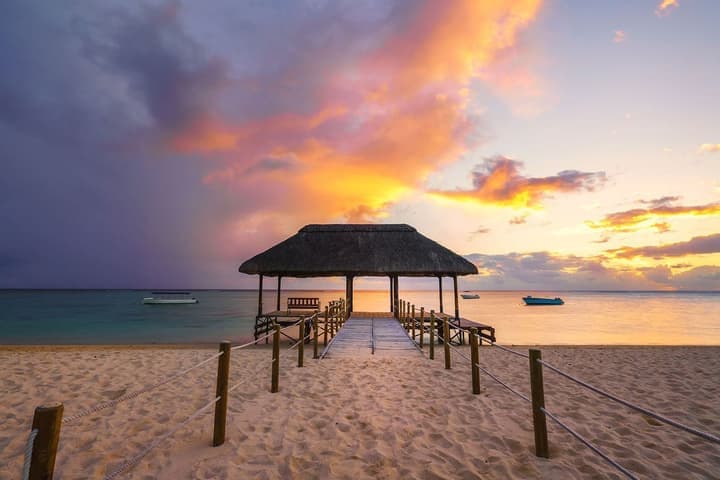
Mauritius beaches are not all the same. Some have calm lagoons protected by the reef and are excellent for swimming or family beach days. Others are visually dramatic but better for walking, surfing or photography than for casual swimming. Before booking accommodation, look beyond the beach photos and read about the entry into the water, tides, wind, coral, rocks and currents.
Reef shoes are useful because the seabed can have coral pieces, stones or sea urchins. Many public beaches have shade from casuarina trees, parking and basic facilities, but they become livelier on weekends when local families come to the coast.
The sun is stronger than many visitors expect. You can burn quickly even on cloudy days, especially after snorkelling or boat trips. High-SPF sunscreen, a hat, water and a light long-sleeved layer often matter more than extra beachwear.
Things to see and do
Mauritius is rewarding because it is easy to mix beach time with nature. In the south-west, travellers often focus on Le Morne views, coloured earth, waterfalls, viewpoints and protected landscapes. The central plateau offers tea plantations, gardens, forest walks and cooler air.
Marine activities are another major reason to visit. Snorkelling, catamaran cruises, diving, kitesurfing, dolphin watching and trips to small offshore islands all depend heavily on weather and operator quality. For responsible travel, avoid tours that chase wildlife aggressively or promise unrealistically close contact with animals.
Port Louis, markets and smaller towns show a different side of Mauritius beyond the resort image. This part of the island is not always postcard-perfect, but it reveals the mix of Indian, African, European and Chinese influences that shaped the country.
Food, water and groceries
Mauritian food reflects the island's history: Indian, Creole, Chinese, French and African influences meet in everyday dishes. Try dholl puri, samosas, curries, fish, seafood, pineapple, chilli sauces and simple beachside street food. Small local places can be more memorable than tourist restaurants, but use common sense and choose busy, clean-looking stalls.
Supermarkets are useful for bottled water, fruit, snacks, sunscreen and breakfast supplies. In hotels, water is often handled for guests, but in apartments and smaller properties it is best to follow the host's advice. If in doubt, drink bottled water.
Alcohol is available in shops, bars and restaurants. Local beer and rum are common, and imported wine and spirits are also available. If budget matters, compare supermarket and restaurant prices because resort markups can be significant.
Mobile internet
Mobile data is very useful in Mauritius for navigation, messaging, bookings and weather updates. Travellers usually choose between a local SIM card and an eSIM. A physical SIM can be bought after arrival or in telecom shops, while an eSIM can save time if you arrive late or want to be connected as soon as the plane lands.
Before buying, check whether your phone supports eSIM, whether it is unlocked and how much data you realistically need. If you use maps heavily, upload photos or work remotely, choose more data than the bare minimum. For natural areas and longer drives, save offline maps in advance because coverage is not equally strong everywhere.
Safety and health
Mauritius is generally a calm destination for visitors, but normal travel awareness still matters. Do not leave valuables unattended on the beach, avoid keeping all cards and cash in one place, lock your car and do not leave bags visible inside. In busy markets and transport areas, keep an eye on your phone and documents.
In nature, the main risks are usually sunburn, dehydration, slippery trails, strong waves and careless swimming rather than dangerous animals. For hikes, bring proper shoes, water, repellent and a light rain layer in changeable weather. At beaches, pay attention to currents, warning signs and local advice.
Mosquitoes can be annoying throughout the year, especially near damp green areas and in national parks. Repellent, light long clothing in the evening and window screens in accommodation make a noticeable difference.
Travelling with children
Mauritius can work very well for families if you choose the right area and beach. The easiest setup is accommodation close to a calm lagoon, with shade, a gentle water entry, quick access back to the room, a nearby supermarket and a simple airport transfer.
With children, plan no more than one major activity per day. Long hot drives are tiring, and many natural sights involve steps, stones or wet paths. Even for short outings, bring snacks, water, spare clothes and sun protection.
Pre-trip checklist
- Check current entry rules, passport validity and airline document requirements.
- Save offline copies of accommodation bookings, return tickets, insurance and your first address.
- Decide how you will leave the airport: transfer, taxi or rental car.
- Choose your area based on your travel style, not only on beach photos.
- Prepare a bank card, backup payment option and some cash.
- Install offline maps and decide between a SIM card and an eSIM.
- Pack sun protection, repellent, reef shoes and a light layer for wind or rain.
- Avoid scheduling important boat trips for the very last day.
Bottom line
Mauritius works best when your schedule leaves room for flexibility. You can spend the entire trip beside a lagoon, or you can discover a new coast, market, waterfall or mountain road almost every day. The better you match the season, area and transport to your style of travel, the fewer practical surprises you will face.
For a first visit, a balanced plan usually works best: several slow beach days, one or two nature-focused routes, a sea trip in good weather and at least one visit to a town or village. That combination helps you see Mauritius not only as a beautiful island, but as a living, varied destination.