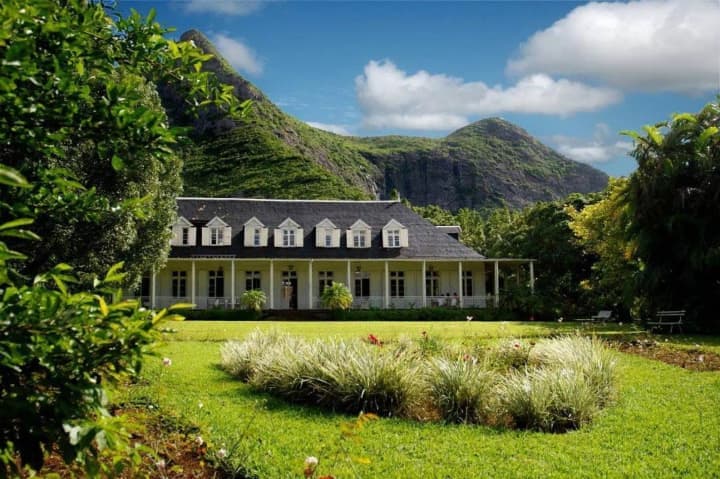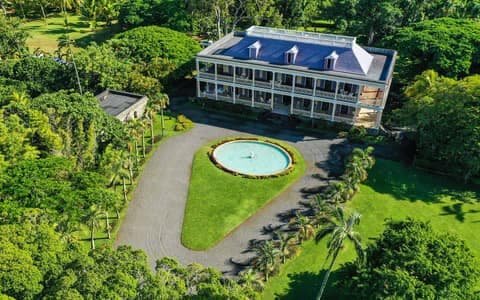

Chateau de Labourdonnais is one of the most atmospheric historic estates in northern Mauritius. Located in the Mapou area, it brings together a restored colonial mansion, gardens, fruit orchards, local products, rum tasting and a calm estate setting. For travellers, it is more than a house museum: it works well as a half-day visit where you can explore the interiors, walk through the grounds, browse the shop, taste local drinks and finish with lunch or coffee.
The estate is especially rewarding if you want to see Mauritius beyond the beaches. It shows another side of the island: plantation history, European influence in architecture, family heritage, agriculture and gastronomy. The visit is easy to plan, but it is worth allowing enough time so the place does not become just a quick photo stop.
Why visit Chateau de Labourdonnais
The main reason to come here is the rare combination of history and a still-living estate atmosphere. Some historic attractions offer only a facade or a small exhibition; Chateau de Labourdonnais feels more complete. The mansion, gardens, outbuildings, shop, tasting area and restaurant help you imagine how a wealthy 19th-century estate functioned and how the property is used today.
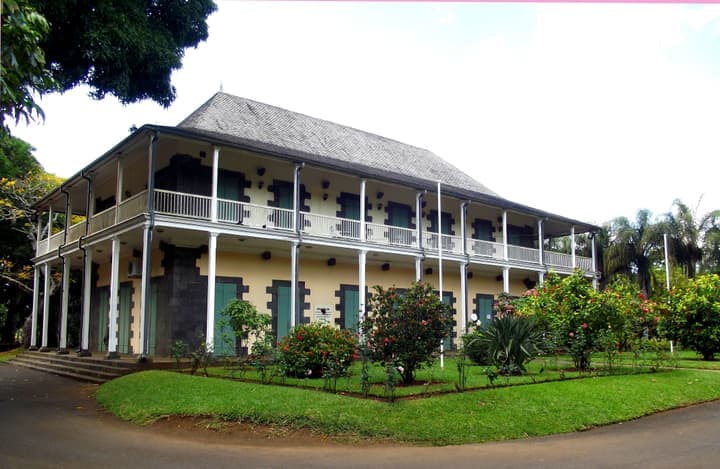
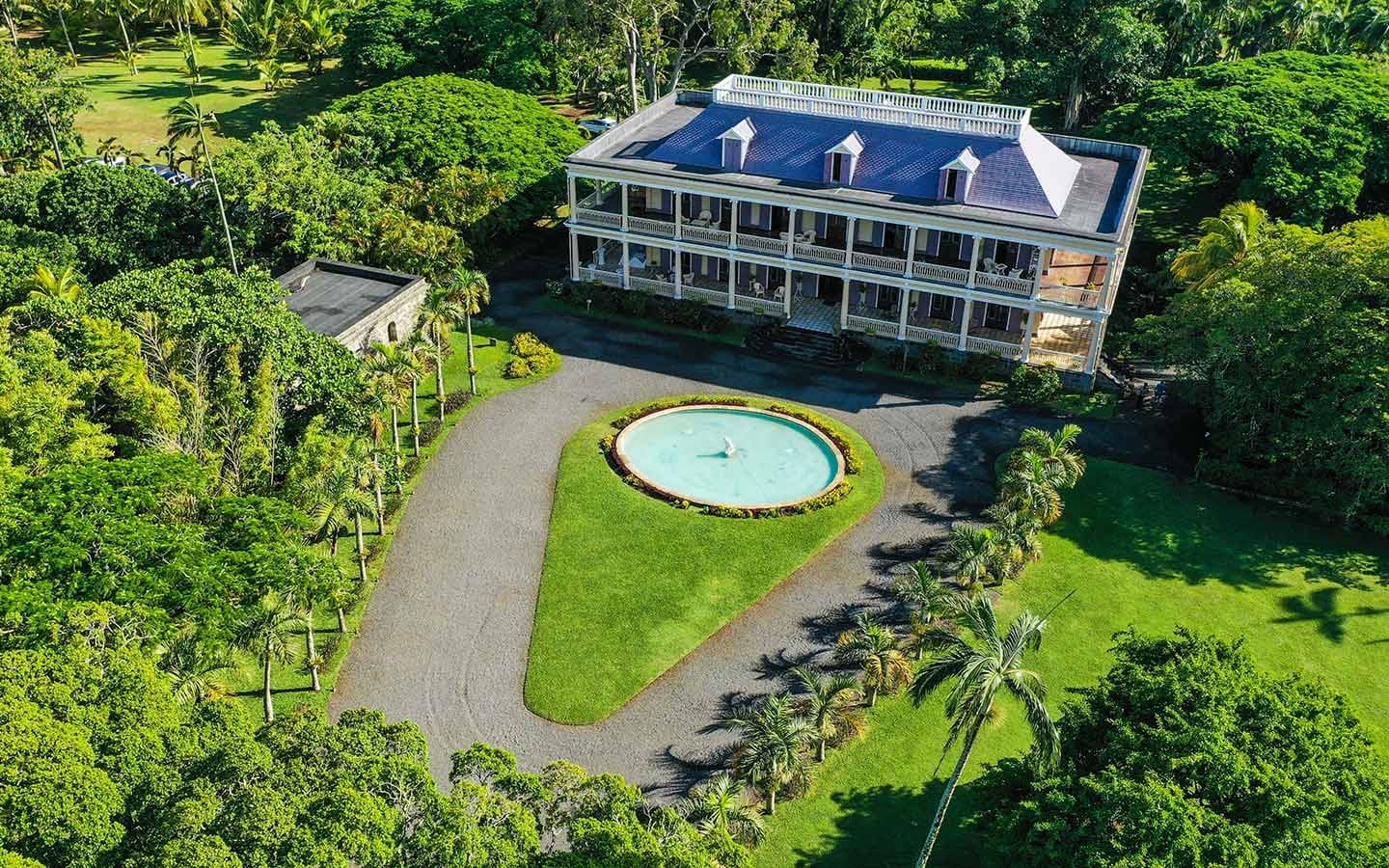
The chateau was built in 1859 and later restored as a museum. Its neoclassical appearance, wide verandas, colonnade and high ceilings show how architecture was adapted to a hot, humid climate. Inside, it is worth noticing not only the furniture and decorative objects, but also the layout: rooms, staircases, shaded galleries and openings that connect the house with the surrounding garden.
Another advantage is the pace. This is not a place that works best as a five-minute stop. It is more enjoyable when you have time to slow down, look at details, sit in the shade, try local products and take a break between more active excursions around the island.
What to see inside the mansion
Inside the chateau, visitors find restored interiors, furniture, tableware, textiles, documents, photographs and everyday objects connected with the estate’s former owners. The exhibition gives context not only to one family’s history, but also to the wider world of colonial Mauritius: plantation management, agricultural wealth and the way European habits were adapted to an island environment.
Try not to rush through the rooms. Look at the materials, wooden details, windows, verandas and decorative choices. In a place like this, the small observations matter: how the house is protected from the sun, why the rooms feel spacious, and how indoor life was connected with the garden outside. Even if museums are not usually your main interest, the mansion gives useful visual context for travelling through northern Mauritius.
Photography is tempting in many rooms, but the museum area should be treated with care. Do not touch exhibits, respect barriers and check the current photo rules on site if you plan to use a tripod, professional equipment or commercial shooting.
Gardens, fruit trees and estate walks
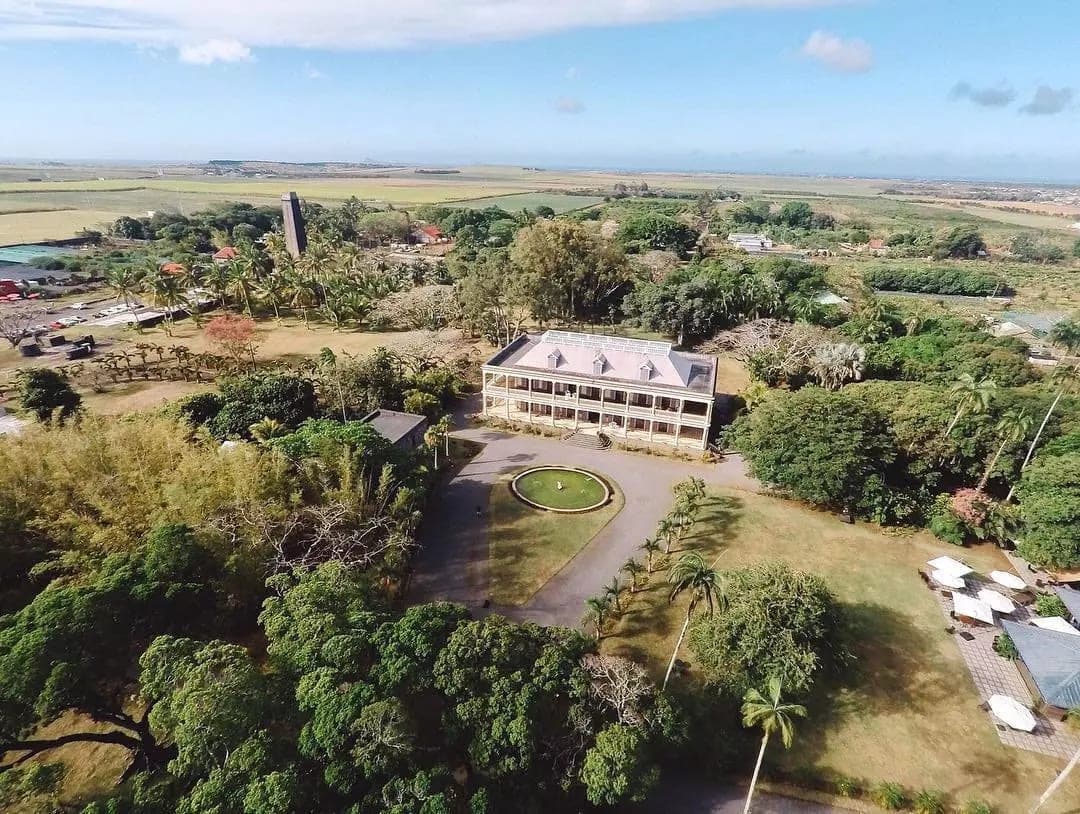
The gardens are an important part of the Chateau de Labourdonnais experience. Historically, the estate was closely linked with agriculture, and the grounds still reflect the island’s plantation past. You can walk among tropical plants and fruit trees, follow quiet paths, rest in the shade and feel a slower rhythm than in the busier resort areas.
The existing estate description mentions mango, guava, papaya, lychee, citrus and other crops. The exact plants you notice, access to certain areas and the appearance of the gardens can vary by season and maintenance, so it is better to treat the walk not as a guaranteed botanical checklist, but as a pleasant way to see how history, cultivation and local production meet in one place.
The garden is especially welcome if you have spent a lot of time in the car and want an easy walk without a demanding trail. Comfortable shoes are enough for most visitors, but after rain the ground can feel humid, and on a sunny day a hat and water are useful.
Rum tasting and local products
One of the most memorable additions to the visit is the chance to discover local drinks and estate-made products. The site connects fruit orchards, processing, a shop and a tasting format. Visitors often mention rum, fruit infusions, juices, jams, marmalades and edible souvenirs that are easy to buy at the end of the walk.
The tasting element makes the visit more varied, especially if you are travelling with a group. Some people may be drawn mainly to the history of the house, while others will enjoy the gastronomic side more. Still, it is wise not to base your plans on a specific drink list or tasting format without checking before you go. Availability, assortment and conditions may change.
If you are driving, decide in advance who will taste and who will continue behind the wheel. This simple detail matters in Mauritius: distances can look short on the map, but after a museum visit, garden walk, lunch and tasting, it is better to move at an easy pace.
Restaurant, tea break and souvenirs
Chateau de Labourdonnais is useful not only as a museum, but also as a relaxed stop during a day in the north. The estate has restaurant and retail facilities, so the visit can become a full break of several hours rather than a short sightseeing stop. This is convenient if you are combining cultural attractions with beaches, villages or gardens nearby.
The food and shopping side fits the estate concept well. Drinks, preserves and other products are connected with local fruit and family traditions, so the experience feels closer to an estate visit than a standard museum cafe. After walking through the house and gardens, you can sit down for a meal or drink and pick up souvenirs that are actually easy to use or gift.
During high season or popular hours, the restaurant may be busier. If lunch is an important part of your plan, check the current opening arrangements and whether booking is recommended. If your stop is shorter, the shop, drinks and a walk may be enough.
How to plan your visit
For most travellers, the best format is a relaxed half-day visit. Allow time for the mansion, the garden, the tasting or shop, and a cafe or restaurant break. If you arrive too late or squeeze the chateau between several distant stops, you may see the main rooms but miss the estate’s best quality: its unhurried atmosphere.
The estate is easy to include in a northern Mauritius itinerary. It can be combined with Grand Baie, Pamplemousses, northern beaches or other sights in the area, but avoid making the day too crowded. Chateau de Labourdonnais works best as a cultural pause between beach time and more active routes.
Before travelling, check current opening hours, ticket details and tasting availability on the official website or with your tour provider. It is better not to rely on old schedules and prices, as tourism services can change depending on the season, private events and maintenance work.
How to get there
Chateau de Labourdonnais is located in the Mapou area in northern Mauritius. The easiest ways to get there are by rental car, private driver or organised excursion. These options make it simpler to combine the estate with other stops and avoid depending on public transport.
If you drive yourself, set the route in your navigation app before leaving and allow a little extra time. Roads in Mauritius may pass through villages, junctions and slower sections than the distance suggests. For a comfortable trip, plan not only the kilometres, but also time for parking, tickets and the walk from the entrance.
A taxi or transfer is a good option if you do not want to drive after a tasting. In that case, agree on waiting time or the return journey in advance, especially if you also plan to have lunch on the estate.
Is it suitable for children?
Chateau de Labourdonnais can be a good family stop if your children are comfortable with museums and gentle walks. The grounds are not too demanding, there are open spaces, gardens and places to pause, and the atmosphere is less formal than in many urban museums. Children may be more interested in the house, garden, animals or farm-related area if it is available during your visit than in long historical explanations.
For families, the key is not to turn the stop into a history lesson. Mix a short look at the interiors with a walk, drinks, the shop and rest. On a hot day, bring water and hats, and avoid scheduling the visit when children are already tired after the beach or a long drive.
Practical tips
- Check current opening hours, tickets and tasting options before you go.
- Allow at least a couple of hours if you want to see both the mansion and the gardens without rushing.
- Wear comfortable shoes: the visit is easy, but the tropical climate can make even short walks feel warmer.
- Bring water, sun protection and a hat on bright days.
- If you plan to taste rum, arrange a driver or transfer in advance.
- Keep the rest of the day light; the estate is best enjoyed at a calm pace.
Final thoughts
Chateau de Labourdonnais is worth adding to your itinerary if you want to see the cultural and historical side of Mauritius. It is not an adrenaline excursion or a place for rushed sightseeing, but a carefully restored estate where the mansion, gardens, local products and food all support the same story. The best way to visit is to arrive without hurry, explore the interiors, walk through the grounds, stop for a tasting or shop visit, and leave time for a quiet break before continuing through the north of the island.