
Renting a car in Mauritius is often the easiest way to see the island at your own pace. Mauritius is compact, but its beaches, viewpoints, nature parks and small villages are spread across different coasts. One day you may want to explore the wild south, the next day a calm lagoon in the west, and on the way you may decide to stop at a market, a lookout or a roadside cafe. Public transport can work for some routes, but it usually takes more time and limits spontaneous stops.
A rental car is especially useful if you are staying outside a large resort, travelling with children, living in a villa or apartment, or planning to visit several parts of the island. It does not mean you have to drive every day. A smart option is to rent a car only for the active part of the trip, then spend the remaining days on the beach, with guided tours or close to your hotel.
Who should rent a car in Mauritius
A car suits independent travellers who want flexibility. It helps families move with beach bags, snacks and child seats, and it gives couples the freedom to change plans depending on weather, mood and traffic. If you want to shop at supermarkets, try restaurants outside resort areas, visit different beaches and watch sunsets from several places, a car quickly becomes a practical tool rather than a luxury.
It is also useful for nature-focused routes. The south and southwest, waterfalls, viewpoints, coastal cliffs, quiet bays, tea estates and inland villages are much easier to combine by car. With a taxi or an organized excursion, the route is usually fixed. With your own vehicle, you can skip a stop, stay longer at a beach or choose a different road because the light looks good.
If your plan is simple resort rest, two or three guided excursions and very little movement between districts, a car for the whole holiday may be unnecessary. In that case, compare the cost and convenience of taxis, transfers and a short rental for selected days. In Mauritius, many travellers mix these formats instead of choosing one transport option for the entire trip.
Where to book a car
For most visitors, the calmest approach is to choose a car online before arrival, read the terms and collect it at the airport or near the accommodation. We recommend checking options through our partner Localrent, an aggregator of local rental companies where you can compare car types, gearbox, deposit conditions and pickup locations.
The main benefit of booking in advance is predictability. You can see the class of car, the main rental terms, payment conditions and document requirements before you arrive. This matters during busy travel periods, around holidays and after a late flight, when searching for a suitable car on the spot is the last thing you want to do.
You can also find local rental companies through hotels, tourist areas or accommodation hosts. This can be convenient for a one-day rental, but check the details carefully: car condition, insurance, deposit, return rules and what happens if there is a breakdown or a dispute. A low headline price is not always the best deal if the terms are vague.
Documents and rental conditions
Rental companies usually ask for a valid driving licence, passport and a payment method accepted by the supplier. Conditions vary, so check the minimum driver age, driving experience requirement, deposit, insurance excess and whether a second driver can be added. These details are more important than the car photo on the booking page.
If your driving licence is not in Latin characters, or if you are unsure whether your document will be accepted, ask the rental company before booking. It is much better to clarify this in advance than at the pickup desk after a long flight. Save the booking confirmation, supplier contacts and rental terms on your phone so they are available without mobile internet.
At pickup, take your time. Inspect the bodywork, windows, mirrors, wheels, interior, trunk and fuel level. Photograph or film scratches, dents and chips before leaving. Check the air conditioning, lights, indicators, wipers, seat belts and the spare wheel or repair kit if the car is supposed to have one. A careful inspection takes a few minutes and can prevent an uncomfortable discussion later.
Which car to choose
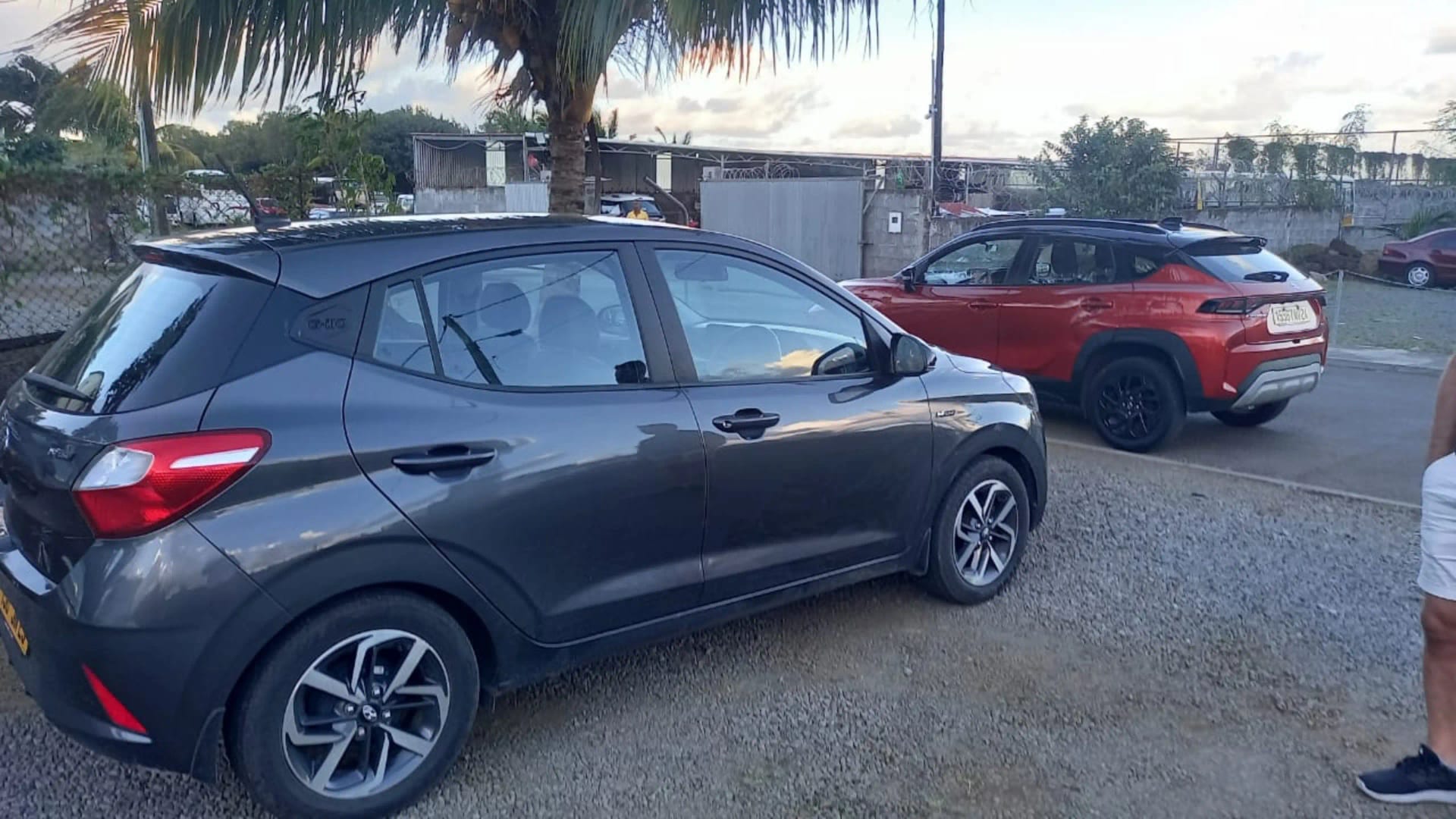
For most Mauritius routes, a compact car is enough. You do not need an SUV for normal trips between beaches, towns and popular natural sights. A small car is easier to park, more efficient and more comfortable on narrow secondary roads that you may meet in villages or near the coast.
If you are new to left-hand traffic, choose an automatic gearbox. In Mauritius, the steering wheel is on the right and traffic moves on the left, so an automatic car reduces the number of things you need to think about at the same time. You can focus on mirrors, indicators, lane position and roundabouts. For this reason, it is worth checking automatic cars first.
Solo travellers and couples can usually manage with a compact hatchback or small sedan. Families should think about trunk space and rear-seat comfort. If you have suitcases, a stroller, beach bags or a child seat, the smallest car may become annoying quickly. In that case, look at larger cars with more luggage space.
A convertible or sporty car may sound tempting, but it is not always practical for daily island driving. The sun can be strong, cars heat up quickly when parked, and luggage space is often limited. If you want the experience, consider it for a short period. For a full island route, comfort, air conditioning and storage usually matter more than the photo.
Left-hand traffic and road conditions
The biggest adjustment for many visitors is left-hand traffic. The first minutes can feel unusual: the driver sits on the right, the car position in the lane feels different, and roundabouts require extra attention. Most drivers adapt quickly if they avoid rushing and start with a simple route.
Main roads between popular areas are generally understandable for visitors, but you will also meet narrow sections, busy roundabouts, motorcycles, buses, pedestrians and parked cars near the roadside. In villages and towns, slow down early and assume that not every road user will behave exactly as you expect.
Navigation is usually easy with Google Maps or another app with offline maps. Download the island map before you start, check the route and allow extra time. A short distance on the map can take longer because of curves, traffic near towns, rain or parking.
Airport pickup or hotel delivery
Airport pickup is convenient if you are going straight to an apartment, villa or area where a car will be useful from day one. You collect your luggage, complete the rental formalities and begin the trip immediately. The downside is fatigue. After a night flight or a long journey, be honest about the driver’s condition. If you are tired, it may be better to transfer to your first accommodation and collect the car the next day.
Hotel or apartment delivery works well if you want a slow start. It avoids driving immediately after arrival and gives you time to settle in. The trade-off is that the choice of cars may be smaller and the handover time needs to be agreed in advance.
Insurance, deposit and inspection
Before booking, read what the insurance includes and what responsibility remains with the driver. Pay attention to the excess, exclusions and rules for damage to glass, tyres, underbody, keys and interior. If the terms are unclear, ask before confirming the rental.
The deposit may be blocked on a card or handled in another way depending on the supplier. Check when it is released, which situations may lead to deductions and what document you receive at return. Keep the contract, inspection report and messages until the rental is fully closed.
At return, leave time for a shared inspection. Do not plan to hand the car back at the last possible minute before a flight. If the return is contactless, clarify the process in advance: where to leave the keys, how to record the car condition and where to send photos.
Routes where a car is especially useful
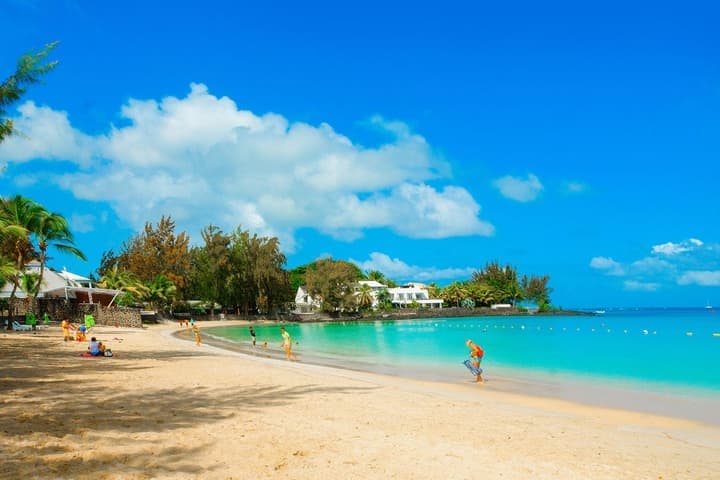
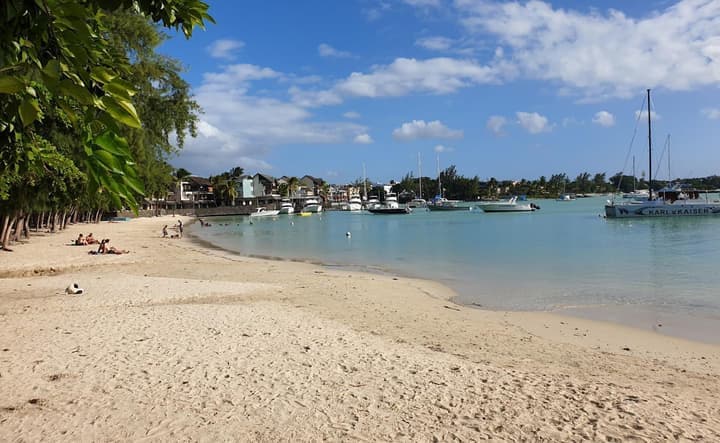
The most obvious use is beach hopping. Mauritius coasts feel different: some areas have calm lagoons, others are better for sunsets, wind, waves or local life. With a car, you can choose a beach according to weather and mood instead of being limited to the nearest transport stop.
The south and southwest are also strong car-rental routes. You can combine viewpoints, coastal scenery, nature stops and lunch without following a rigid excursion timetable. If one place is crowded or the weather changes, you simply move on.
A car is also valuable for practical errands: supermarkets, markets, restaurants outside resort zones, moving between districts or reaching the starting point for a boat trip or park visit. These small tasks are where independent transport saves attention as well as money.
Parking and everyday details
Parking is usually manageable in tourist areas, but popular spots can fill up on weekends, holidays and around sunset. Do not leave valuables visible in the cabin, even for a short stop. Documents, cash, cameras and phones should go with you.
Fuel stations are available in different parts of the island, but do not wait until the tank is nearly empty before a longer route. If you plan an early start or a late return, refuel in advance. It is also useful to keep water, sunglasses, a charging cable, wet wipes and a light change of clothes in the car.
Tips for a smooth rental
- Choose an automatic car if this is your first time driving on the left.
- Compare insurance, deposit, mileage, pickup location and return rules, not only the price.
- Photograph the car before departure and at return.
- Check the air conditioning before signing the pickup form.
- Download offline maps and save the rental company contacts.
- Do not make the itinerary too dense; unplanned stops are part of the pleasure of Mauritius.
- Follow local road signs and restrictions rather than habits from home.
- Avoid driving when tired after a long flight.
Frequently asked questions
Do I need a car for the whole holiday?
Not always. If you stay in a resort and mainly want beach time, renting for a few active days may be enough. If you stay in an apartment, shop for yourself and want to explore independently, a longer rental is more convenient.
Is left-hand driving difficult?
The first kilometres require attention, but most drivers adapt quickly. An automatic gearbox, a calm first route and extra care at roundabouts make the transition easier.
Can I rely on taxis and excursions instead?
Yes, especially if you have only a few transfers and do not want to drive. For flexible routes, changing beaches and spontaneous stops, however, a car usually gives more freedom.
Conclusion
Renting a car in Mauritius is a good choice if you want to see more than the nearest beach and standard excursion route. Choose the car for your real itinerary, check the terms before booking, take insurance and inspection seriously, and give yourself time to adapt to left-hand traffic. With that approach, a rental car becomes a source of freedom rather than stress.