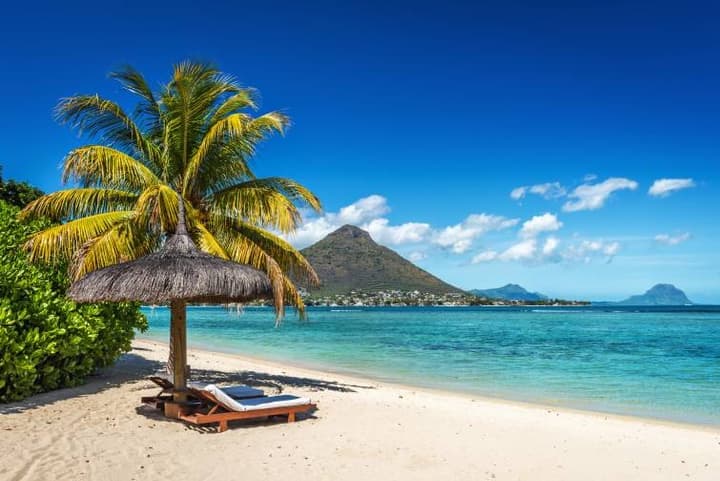

Mauritius is often imagined as an island of beaches, but the best trips begin when you add mountains, waterfalls, botanical gardens, colonial history, Hindu sacred sites, markets, nature reserves and small offshore islands to the sea. In one holiday you can see turquoise lagoons, volcanic landscapes, tea country, the colored earth of Chamarel, historic Port Louis and southern cliffs where the ocean feels completely different from the protected bays.
This guide will help you decide what to see in Mauritius and how to build a route without turning the island into a race. Mauritius looks compact on a map, but roads, mountain bends, weather and the temptation to stop by the water can quickly change your timing. The best approach is to group places by region: the north with gardens and beaches, the west and southwest with Le Morne and Chamarel, the south with waterfalls and cliffs, the east with lagoon and island trips, and Port Louis as a separate cultural morning or day.
How to Plan Sightseeing in Mauritius
Do not plan only by distance on the map. In Mauritius, coasts, mountains and weather matter. If Le Morne is clear in the morning, it makes sense to go before cloud hides the summit. If the east is windy, switch a beach day to a botanical garden, market or nature park. If you plan waterfalls and trails, start early, bring water and wear proper shoes; after rain, treat paths and rocks with extra care.
For a first trip, choose a few strong themes: one day for Port Louis and the north, one for the southwest, one for the eastern lagoon or islands, and one for the south and inland scenery. Leave the rest of the holiday for beaches and shorter stops. That way Mauritius stays more than a checklist. You keep the island's real rhythm: warm light, slow pauses and the constant presence of the ocean.
Le Morne Brabant and the Southwest
Le Morne Brabant is one of the main symbols of Mauritius. The mountain rises above the lagoon in the southwest and is tied to important island history: the Le Morne Cultural Landscape is listed by UNESCO for its association with the memory of enslaved people who sought refuge there. Even if you do not plan to hike, the beach beneath the mountain is worth seeing. Turquoise water, kitesurfers, white sand and the dark shape of the rock create a landscape that is difficult to confuse with anywhere else.
The hike requires fitness, an early start and respect for conditions. Do not go in bad weather, and do not treat the route like a casual walk in flip-flops. If you prefer not to climb, focus on the beach, viewpoints and the coastal road around the southwest. Le Morne pairs well with La Prairie, Black River, Tamarin or Chamarel, but avoid packing too many stops into one day.
Chamarel: Colored Earth, Waterfall and Forest
Chamarel is one of the island's most recognizable natural areas. The Seven Coloured Earths are known for unusual tones in the soil, while Chamarel Waterfall shows a greener and wetter side of the southwest. It is a good place to see the island's volcanic origin in a real landscape rather than as a line in a guidebook. The colors are strongest in good light, but the area remains worthwhile in cloudier weather because of the relief and tropical vegetation.
Near the classic Chamarel stops, you can add Ebony Forest, tea or rum-related stops in the wider area, or viewpoints over the west coast. Check current visiting conditions before you go and do not allow only ten minutes: the drive, viewpoints and walks often take longer than expected. Chamarel is best when you move slowly enough to get out of the car and see the landscape from more than one angle.
Black River Gorges National Park
Black River Gorges National Park is the main area for seeing the mountainous and forested side of Mauritius. It has trails, gorges, viewpoints, waterfalls and sections of native vegetation. The park is important because it changes your understanding of the island: behind the beaches is a green, humid and sometimes cooler interior with a completely different mood.
Choose your route according to fitness. For a short introduction, viewpoints and easy walks may be enough. For a more active day, choose trails with elevation changes and allow time. Wear comfortable shoes and bring more water than you think you need. After rain, rock and soil can be slippery. The park combines well with Chamarel, Alexandra Falls and southwest roads, but starting in the morning makes the day easier.
Pamplemousses and the North
The Pamplemousses Botanical Garden, also known as Sir Seewoosagur Ramgoolam Botanic Garden, is a calm green stop in the north. Visitors come for palm avenues, ponds with giant water lilies, spices, tropical trees and the atmosphere of an old colonial garden. It is a useful contrast to the beaches: instead of bright sand and wind, you get shade, walking paths and a closer look at the plants that shape the island's tropical image.
The garden is easy to pair with northern beaches, Cap Malheureux, Grand Baie or markets. If you travel with children or older relatives, it is one of the gentler sightseeing options without serious physical effort. On a hot day, go in the morning, bring water and avoid rushing. Pamplemousses is not about ticking off a long list; it is about atmosphere.
Port Louis: Market, Fort and Museums
Port Louis belongs in the itinerary if you want more than natural Mauritius. The capital shows the island's trading, colonial and multicultural sides. The Central Market brings noise, spices, fruit, street food and everyday life. Caudan Waterfront is easier for a calmer walk, shops and museums, while Fort Adelaide offers views across the city and harbor.
A cultural route can include the Blue Penny Museum, Aapravasi Ghat, Jummah Mosque, St Louis Cathedral and old streets around the center. Do not try to fit the capital into one spare hour between beaches. Come in the morning, when heat and traffic are easier to manage. Port Louis can feel dense and busy, but that is exactly why it reveals Mauritius beyond the familiar picture of palms and sand.
Grand Bassin and Sacred Places
Ganga Talao, also called Grand Bassin, is a sacred Hindu lake in the island's interior. It deserves respectful behavior: modest clothing, a calm voice and awareness that for many visitors this is not a tourist set piece but a place of prayer. Even a short stop helps you understand the spiritual and cultural layers of Mauritius.
Grand Bassin fits naturally into an inland route with waterfalls, tea country or southern scenery. If a major religious festival is taking place, traffic and visitor numbers can change significantly, so check plans before traveling. On an ordinary day, it is a quiet and expressive stop among greenery and the cooler air of the central plateau.
Waterfalls and Southern Scenery
Mauritius has several waterfalls that can be added to a route depending on where you are. Chamarel is the most recognizable option near the colored earth. Alexandra Falls is convenient when driving through the Black River Gorges area. Tamarind Falls can suit travelers who want a more active nature day, but it is especially important to choose a safe format and avoid overestimating your ability.
The south adds cliffs and open-ocean force to the waterfall routes. Gris Gris and La Roche Qui Pleure show coast without the same protected lagoon: waves, wind and dark rocks create a dramatic contrast with northern beaches. Swim only where conditions are clearly safe. Think of the south mainly as a route for viewpoints, photographs and short walks.
The East Coast and Offshore Islands
The east of Mauritius is often chosen for lagoons, long beaches and sea excursions. Ile aux Cerfs is the best-known island day trip: boat transfer, pale water, beaches and water activities make it a popular program. It is not a hidden secret but a classic Mauritius excursion, so the quality of the experience depends on timing, operator choice and expectations.
Ile aux Aigrettes, off the southeast coast, is interesting as a nature reserve where visitors can learn about rare species and ecosystem restoration. Blue Bay is a strong choice for a marine-park setting and snorkeling, but it requires careful behavior around coral. The east works best as its own day: lagoon or island in the morning, beach time later, then a relaxed return before dark.
Parks and Family-Friendly Stops
If you travel with children or want an active break from the beach, consider nature and adventure parks. Casela Nature Parks in the west is known for family activities, animals and outdoor experiences. La Vanille Nature Park in the south is often chosen for giant tortoises and a gentler walk. Check details before visiting, as programs, availability and rules can change.
These parks do not replace the island's wild nature, but they can make a holiday more varied, especially if children are tired of long drives between viewpoints. Plan them as a half-day activity rather than a quick stop on the way. The experience will feel calmer and more worthwhile.
Itinerary Ideas
One day in the southwest: start early with Le Morne views, spend time by the lagoon or on a short walk, then continue to Chamarel, the waterfall and viewpoints. If you still have energy, finish on the west coast at sunset.
One day in the north: visit Pamplemousses in the morning, then continue to Cap Malheureux, Pereybere or Trou aux Biches, with Grand Baie in the evening for dinner and a walk. This is an easy route without demanding trails.
One day inland and south: combine Grand Bassin, Alexandra Falls or Black River Gorges, then continue to Gris Gris and the southern cliffs. Start early and do not plan a long swimming session on the same day.
One day in the east: take a boat trip to Ile aux Cerfs or enjoy a beach day around Belle Mare, then stop by the lagoon and return before dark. The east is much more enjoyable when you do not try to combine it with the far west in one day.
FAQ
What should I see in Mauritius on a first trip?
Choose Le Morne, Chamarel, Black River Gorges, Pamplemousses, Port Louis and one sea-based route such as Blue Bay or Ile aux Cerfs. That gives you beaches, mountains, culture and lagoon scenery.
How many days do I need for sightseeing?
Three or four sightseeing days are enough for a comfortable first overview of the north, southwest, capital and east. With less time, choose one nature day and one cultural day instead of trying to cross the whole island.
Can I explore Mauritius without a car?
Yes, but your route will be less flexible. Taxis, transfers and tours work for beaches and towns; for remote nature stops, a car with driver or rental car is usually easier.
Where should I go with children?
Pamplemousses, calm northern beaches, Casela, La Vanille and short boat trips in good weather are good family choices. Reduce difficult trails and hot city walks.
What should I do if the weather gets worse?
Swap a beach plan for Port Louis, a museum, botanical garden, market or a short coastal drive. Weather can differ by region, so sometimes changing coast is enough.