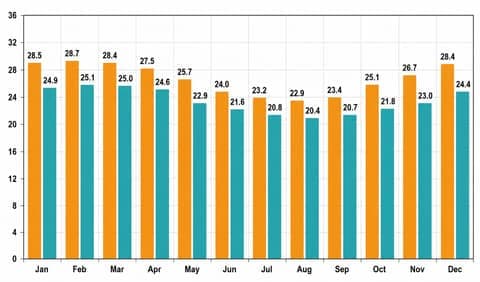
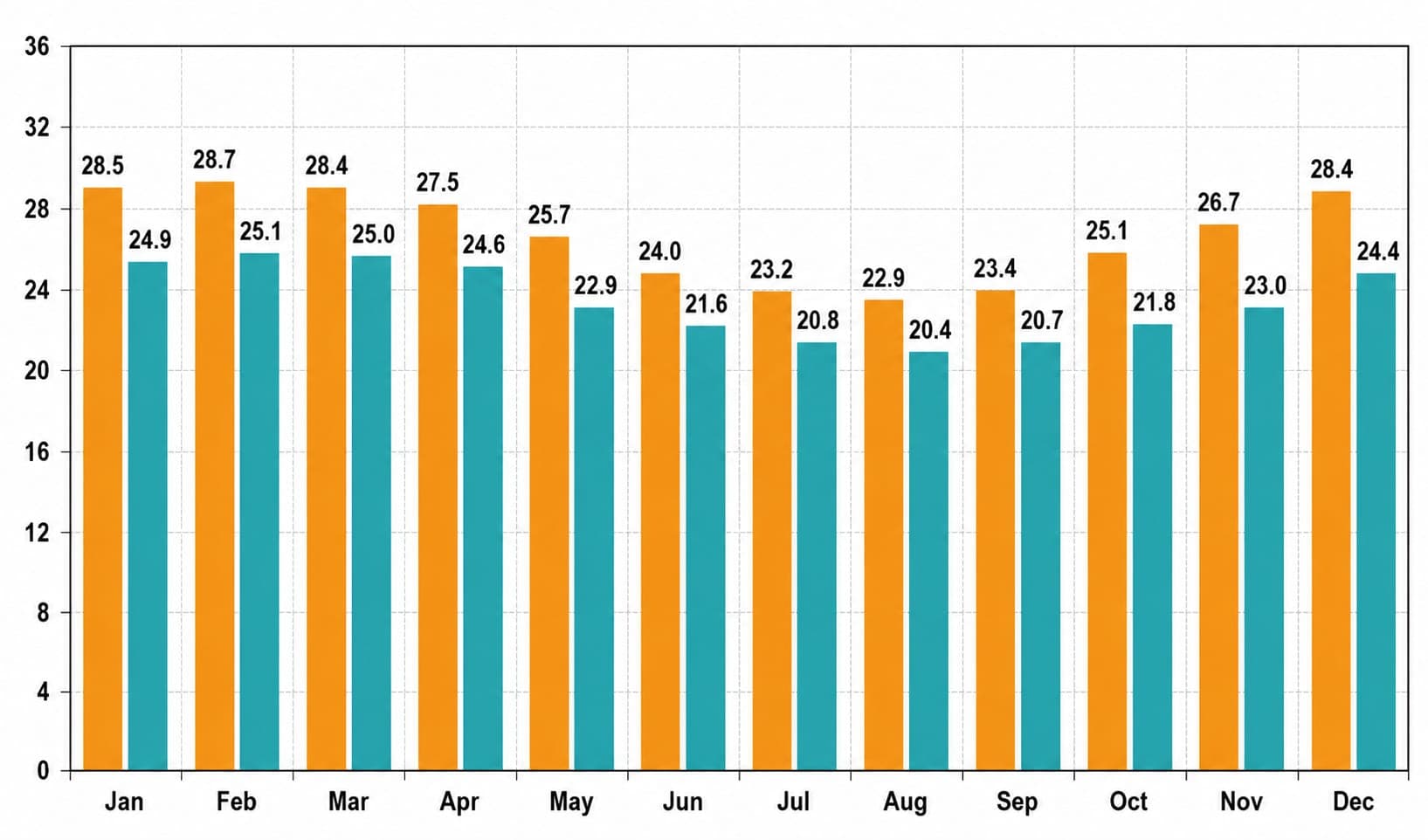

Mauritius is a year-round destination, but the kind of holiday you get depends strongly on the season. The island is small, yet weather can feel different from one coast to another: some beaches are more sheltered, some areas are windier, and short tropical showers may pass through one part of the island while another stays bright. That is why the best time to visit Mauritius is not a single fixed month. It depends on what you want most: beaches, snorkelling, surfing, hiking, a honeymoon, family travel or simply warm weather without heavy humidity.
The climate is tropical. In broad terms, Mauritius has a warmer, more humid summer from November to April and a cooler, drier winter from May to October. The transition months are often the most balanced, with pleasant beach weather and more comfortable conditions for exploring. Still, tropical weather never follows a perfect calendar. Rain can happen in the dry season, and the rainy season can bring long stretches of sunshine.
Quick answer: the best time to visit
For many travellers, the most comfortable periods are April to June and September to November. These months usually offer a good balance: warm enough for the beach, less humid than peak summer, and pleasant for sightseeing. The sea remains inviting, daylight is good for day trips, and wind or rain is less likely to dominate the whole holiday.
If your priority is the warmest sea and a tropical summer feeling, look at November to April. If you want hiking, road trips, golf, nature parks and more comfortable daytime temperatures, May to October can be easier. Windsurfers and kitesurfers often prefer the windier winter months, especially around the south-west and south-east. For a relaxed family beach holiday, choose months with moderate heat and keep plans flexible in case of wind or showers.
Mauritius seasons
Summer in Mauritius runs roughly from November to April. It is the warmest part of the year: the lagoon water feels pleasant, vegetation is lush and tropical showers become more common. Humidity is higher, so the heat may feel stronger than the temperature suggests. January to March is usually the most humid and unsettled part of the year, with a higher chance of tropical systems and stormy weather.
Winter runs roughly from May to October. This is not a cold winter in the European sense; the coast is still warm enough for sunbathing, walking and many beach days. However, evenings can feel fresh, wind is more noticeable and the sea may feel cooler, especially in the morning or on exposed beaches. The upside is lower humidity and more comfortable conditions for excursions, hiking and longer drives around the island.
Weather by month
January is hot, humid and very tropical. It suits travellers who enjoy warm sea water and lush scenery, but you should be ready for heavy showers, sticky heat and possible changes to plans. Morning excursions and flexible beach days work best.
February is similar to January, with heat, humidity and very warm water. It can be a good month for a slow resort-style holiday if you accept that tropical weather may interrupt outdoor plans.
March starts to move away from the wettest part of the season, though showers remain possible. Nature looks fresh, waterfalls can be impressive and the island feels green. For beach days, it helps to have alternative coast options.
April is one of the more attractive transition months. The heat usually softens, the sea stays warm and rain gradually becomes less dominant. It is a strong choice for beaches, snorkelling and sightseeing without the heaviest summer humidity.
May brings drier, more comfortable weather. Days are warm, evenings are fresher and humidity is lower. This is a good month for excursions, nature parks, hiking and travellers who do not enjoy intense heat.
June can be breezier, with cooler evenings. Beach time is still possible, especially in sheltered lagoons, but some visitors may prefer warmer water for long swims. It is a good month for active travel and relaxed exploring.
July is one of the coolest and windier months. It works well for hiking, sightseeing and wind-based water sports. For a classic beach holiday, choose your hotel and beach area carefully, with shelter from prevailing winds in mind.
August remains fairly dry and breezy. It is warm in the sun, but a light layer is useful in the morning and evening. The month suits travellers who want to drive around, visit viewpoints and avoid humid heat.
September is often considered one of the best months. The weather begins to feel softer, winds usually ease gradually and humidity remains moderate. It is good for beaches, excursions, honeymoons and family trips.
October is warm, sunny and balanced before the more humid summer sets in. The sea becomes more comfortable, days feel longer and warmer, and the month is one of the most versatile choices for a first trip to Mauritius.
November brings more heat and humidity, but it can still be excellent for beach holidays. The lagoon warms up and the island becomes more summery. Plan road trips early in the day and leave space for breaks.
December marks the start of the full tropical summer feeling. It is warm, festive and humid, with possible short showers. It is also a popular holiday period, so accommodation and key activities should be planned ahead.
Which coast has the best weather?
The west and north-west coasts are often chosen for a sunnier, more sheltered beach feel, especially during windier months. Areas such as Flic en Flac, Grand Baie, Trou aux Biches and nearby beaches are practical for classic beach holidays, restaurants and island drives. The east coast is beautiful and often more open to wind, so it can feel fresher during cooler months.
The south-west around Le Morne is known for dramatic scenery and wind sports. The south coast feels wilder and more rugged; it is excellent for views and nature, but not every stretch is suitable for easy swimming. The central plateau is generally cooler and wetter than the coast, so bring a light layer if you plan to visit gardens, tea country, viewpoints or mountain areas.
Rain and cyclone season
Rain in Mauritius does not always mean a ruined day. It is often a short tropical downpour followed by sun. However, from January to March the risk of unsettled weather is higher. Tropical cyclones are not an everyday event, but the seasonal possibility exists and can affect flights, boat trips, beach plans and the operation of some attractions.
If you travel in the wetter months, choose flexible bookings where possible, avoid placing your most important boat trip on the final day and check forecasts from local sources. If strong wind or storm warnings are issued, follow hotel and local authority guidance rather than trying to keep a normal sightseeing schedule.
Sea conditions, wind and beaches
For swimming, air temperature is only part of the story. Wind, swell direction and lagoon protection matter just as much. Mauritius has many reef-protected lagoons where the water can look calm, but conditions still change. During windier months, choose beaches with natural shelter, and for snorkelling pay attention to water clarity after rain or rough seas.
If snorkelling, diving or boat trips are a priority, leave spare days in your itinerary. Visibility can be reduced after heavy rain, and windy conditions may delay or cancel boat excursions. For kitesurfing and windsurfing, the same wind can be an advantage, but beginners should choose schools and spots by ability level, not just by scenery.
What to pack
In every season, bring sunscreen, sunglasses, a hat, light clothing and comfortable walking shoes. In the Mauritian winter, add a thin sweater or windbreaker for evenings, boat trips and higher inland areas. In the rainy season, a compact rain layer is useful, but heavy city-style outerwear is unnecessary.
Reef shoes can be helpful on beaches with coral fragments or rocky entries. For hiking and nature parks, use closed shoes with decent grip, as trails can become slippery after rain. A water-resistant pouch for phones and documents is practical if you plan boat trips, waterfalls or visits to the wilder south coast.
Best time by travel style
For a first beach-and-sightseeing trip, April, May, September and October are especially easy months to recommend. For the warmest lagoon water and a more tropical atmosphere, choose the summer half of the year, while accepting more humidity. For hiking, golf and long drives, the cooler winter months are more comfortable. Honeymooners often prefer the transition months because they combine attractive weather with a calmer feel than peak holiday periods.
Families should think less about the theoretical best month and more about daily comfort: heat, sun exposure, travel distances and the ability to change plans. Mauritius is small enough to adapt, but not so small that you want to cross the island repeatedly with tired children. Pick a coast that suits your season, then build excursions around the weather rather than forcing a rigid schedule.
Best time by activity
Beach holidays. For a classic lagoon-based holiday, April, May, September, October and November are often the easiest months to enjoy. They are usually warm enough for long beach days without the heaviest humidity. If you travel in July or August, choose a more sheltered beach area and a hotel with pleasant grounds or a good pool, so wind does not define the whole trip.
Snorkelling and diving. The exact month matters less than sea conditions on the day. Heavy rain and rougher water can reduce visibility, even in a generally good season. Avoid booking your only boat or snorkelling excursion for the final day of the holiday. Keep a few possible windows open and be ready to switch coast if conditions are better elsewhere.
Surfing, kitesurfing and windsurfing. Windier periods can be excellent for travellers who come specifically for board sports. The south-west and south-east are especially well known for active water conditions. Beginners should choose a school and spot based on current conditions and ability level, because the same wind that excites an experienced rider can be too much for a first lesson.
Hiking and sightseeing. The cooler winter months and the transition periods are usually more comfortable for mountains, viewpoints, botanical gardens and long drives. Lower humidity makes walking easier, and inland areas feel fresher. Trails can still be slippery after rain, so proper shoes are useful in every season.
Weddings and honeymoons. September, October, April and May are often appealing for romantic trips because they combine warmth, attractive light and more comfortable humidity. If a ceremony or photo session is fixed for one date, build in a backup plan for showers or strong wind.
Choosing where to stay by season
Weather should influence not only when you travel, but also where you stay. During windier months, look closely at beach shelter, lagoon protection, the direction the coast faces and guest comments from the same season. A beach that is perfect in February may feel different in August, and a dramatic open coastline is not always the easiest place for calm swimming.
In the hotter, more humid season, air conditioning, shade, easy beach access and a comfortable hotel base become more important. A resort with good facilities can make a passing shower feel like a pause rather than a lost day. In cooler months, a sheltered pool area, protected seating and nearby restaurants can make evenings more comfortable when the breeze picks up.
Planning your itinerary around weather
The best strategy is to avoid locking every day too tightly. Put boat trips, waterfall visits and major viewpoints in the first half of your stay, so you can move them if conditions are poor. Keep beach days more flexible. On Mauritius, changing coast can sometimes change the whole feel of a day.
For daily planning, look beyond the simple rain icon. Wind, cloud, sea state and local advisories matter just as much. A tropical forecast may show a chance of rain every day even when showers are brief. On the other hand, a sunny but windy day may not be ideal for a boat trip or snorkelling. The more flexible your plan, the easier it is to enjoy the island in any season.
Final thoughts
The best time to visit Mauritius depends on the holiday you want. April to June and September to November are often the most versatile periods for beaches and exploring. The local summer brings the warmest sea and lush scenery, along with more humidity and rain. The local winter is cooler, drier and better for active travel, though wind can shape beach choices. Mauritius rarely becomes a bad destination because of weather alone; the trick is to understand the season, choose the right coast and keep a little flexibility in your plans.