
SSR Botanic Garden, widely known as the Pamplemousses Botanical Garden, is one of the best-known green sights in Mauritius. Located in the village of Pamplemousses in the north of the island, it is a calm place to swap the beach for shade, ponds, palms and tropical plants. This is not an amusement park or a wild forest, but a historic botanical garden with a slow rhythm and old-fashioned charm.
Many visitors stop here while travelling between the northern resorts and Port Louis, or include it in a wider northern Mauritius itinerary. The garden does not require special preparation, but it is more enjoyable if you know what to expect: not a high-energy attraction, but a collection of plants, landscaped avenues, water features and pieces of Mauritian history.
Why the garden is worth visiting
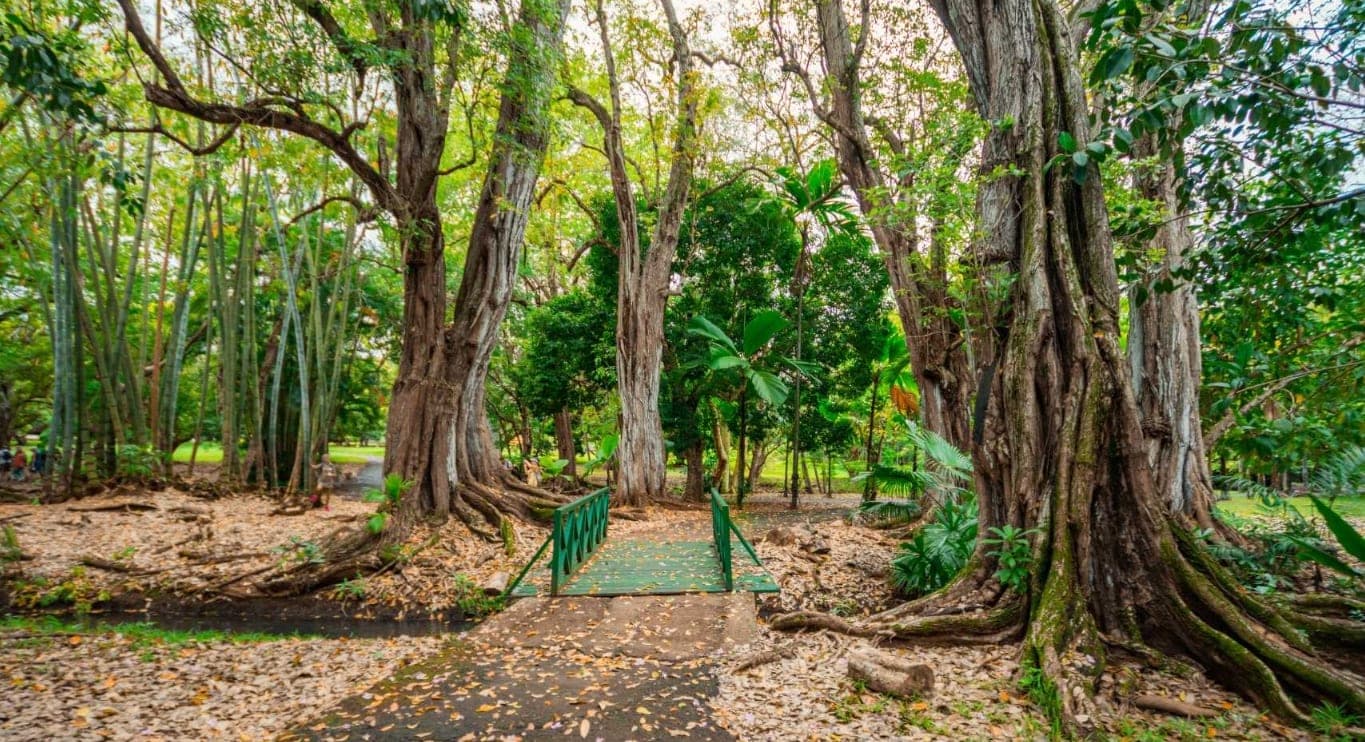
Pamplemousses is known for broad avenues, old trees, palms, ponds with aquatic plants and a relaxed atmosphere. On a hot day the shade is especially welcome. You can walk slowly, stop at plant labels, look at leaves, trunks, flowers and unusual shapes, and get a sense of how rich tropical vegetation can be even if you are not a plant expert.
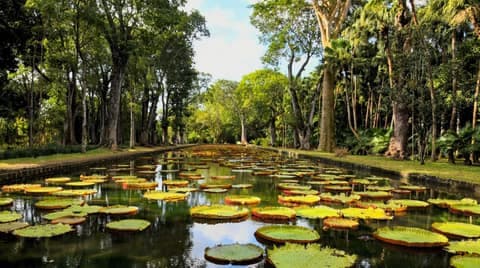
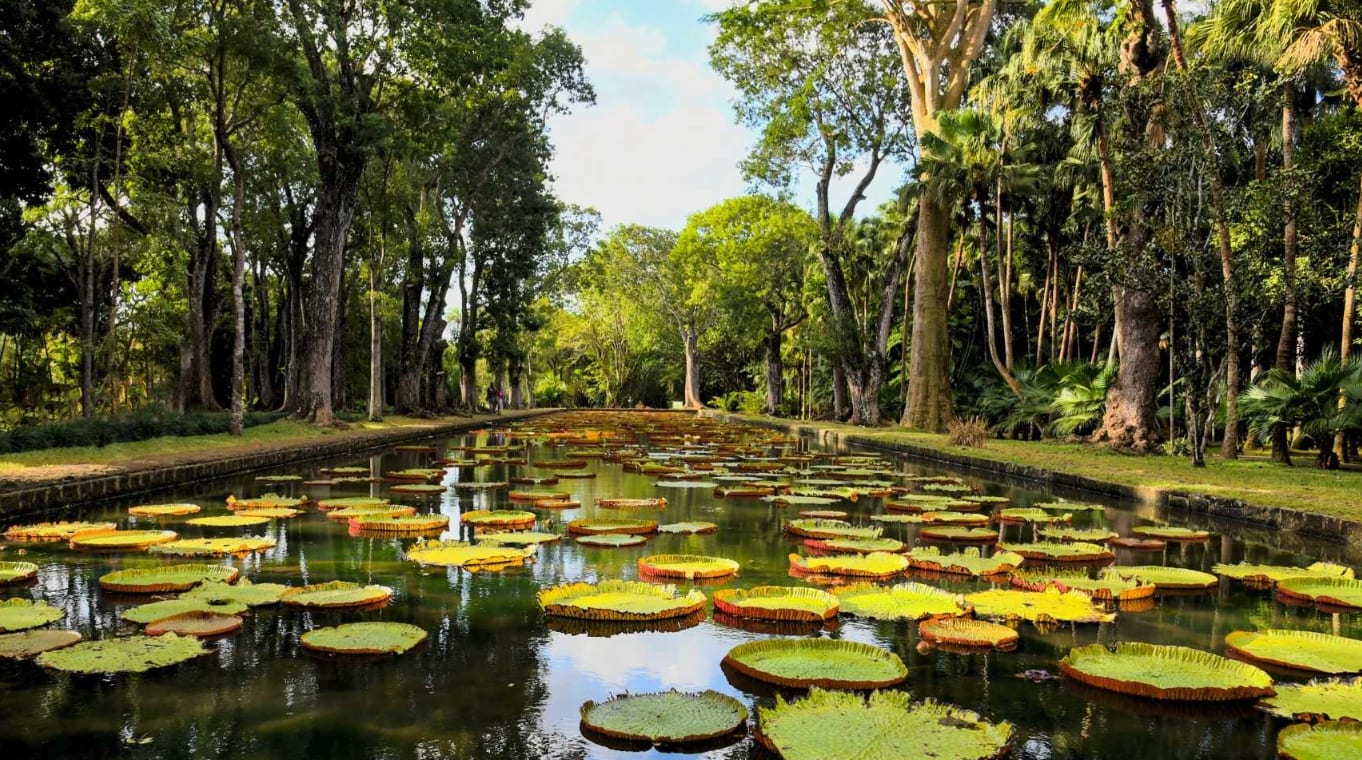
One of the garden's most recognizable sights is its ponds with large floating leaves. Many travellers come with this image in mind, but it would be a shame to see only the ponds and leave. The real pleasure is the whole walk: palm perspectives, old gates, shaded paths, areas with spice and ornamental plants, and the feeling of time stretching out under the trees.
Historic atmosphere
The garden is tied to the long history of Mauritius, the colonial period, agriculture and the movement of plants across oceans. It hints at a time when the island was part of maritime routes where spices, crops and botanical knowledge travelled between continents. A simple walk through the avenues can remind you that Mauritius was shaped not only by beaches and hotels, but also by plantations, collections, scientific curiosity and exchange between cultures.
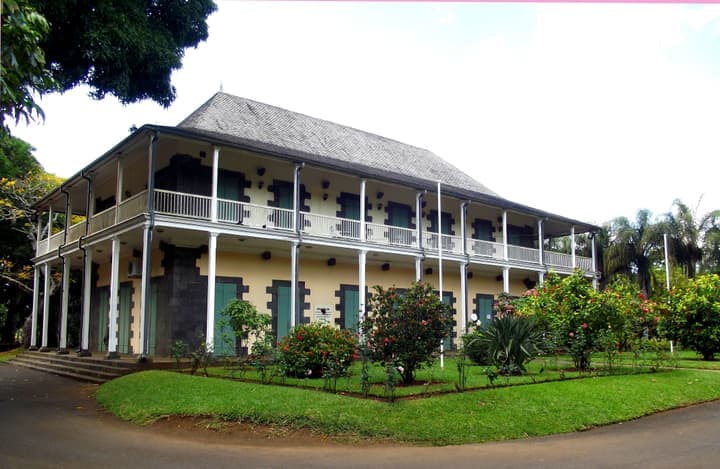
Within the grounds you will also find Château de Mon Plaisir, a historic building that adds an architectural note to the botanical walk. Access to individual buildings and areas can vary, so treat them as part of the wider visit and check current conditions locally.
How to enjoy the walk
Give yourself enough time to wander rather than rushing from one famous point to another. Pamplemousses works best at a slow pace: follow an avenue, notice an unusual tree, turn toward a pond, rest in the shade and continue. If you are travelling with children, the garden can be a useful pause between busier stops, but remember that heat and distances inside the grounds can still be tiring.
Bring water, a hat, sun protection and comfortable shoes. After rain, paths may be damp, and during hot periods exposed sections can feel heavy. If you want a deeper understanding of the plants, you can consider a local guide or read about the main collections before visiting. Even without a detailed tour, the garden remains a pleasant place for quiet visual discovery.
Best time to visit
Morning is usually the most comfortable time, with less heat, softer light and easier walking through open sections. Around midday, the shade still helps, but humidity and sun can become tiring. In rainy weather the garden feels even more tropical, though you should expect wet paths and fewer long stops in uncovered areas.
If your goal is photography, do not expect every plant to be at its peak at the same time. A botanical garden changes with seasons, weather and maintenance. It is better to arrive with a walking mindset rather than a strict checklist of must-have images.
What to combine it with
Pamplemousses combines well with Port Louis, northern beaches, markets, museums or a relaxed food stop. If you are staying in the north, the garden can fit easily into a half-day plan. If you are coming from the south or east, it makes sense to add several nearby stops so the drive feels worthwhile.
Who will enjoy it
The garden suits travellers who like plants, calm walks, historic places and a gentle pace. It is a good choice for families, couples, older travellers and anyone who wants a break from strong beach sun. If you expect shows, active entertainment or a polished modern theme park, it may feel quiet. But as a classic green sight of Mauritius, Pamplemousses remains one of the island's most pleasant and accessible stops.
Choosing a route inside the garden
If you have limited time, start with the most recognizable areas: the main avenues, ponds and historic buildings. Then leave a little time for quieter paths where there are fewer people and you can hear birds, leaves and the garden itself. This is where Pamplemousses stops feeling like a checklist stop and becomes a calm walking space.
Plant lovers should read labels and compare the shapes of leaves, bark and fruit. If you came mostly for atmosphere, keep it simple: follow shade, pause by water and watch the light change between palms. You do not need to search constantly for the single main exhibit. The value of the garden lies in the combination of botany, history and a slower rhythm.
Easy mistakes to avoid
The main mistake is arriving at the hottest part of the day without water and expecting a very quick visit. The grounds need time, and the tropical climate can tire you faster than expected. Another mistake is comparing Pamplemousses with a modern decorative park. It is a historic garden, sometimes more natural and uneven in character. Accept that, and the walk becomes much more enjoyable.